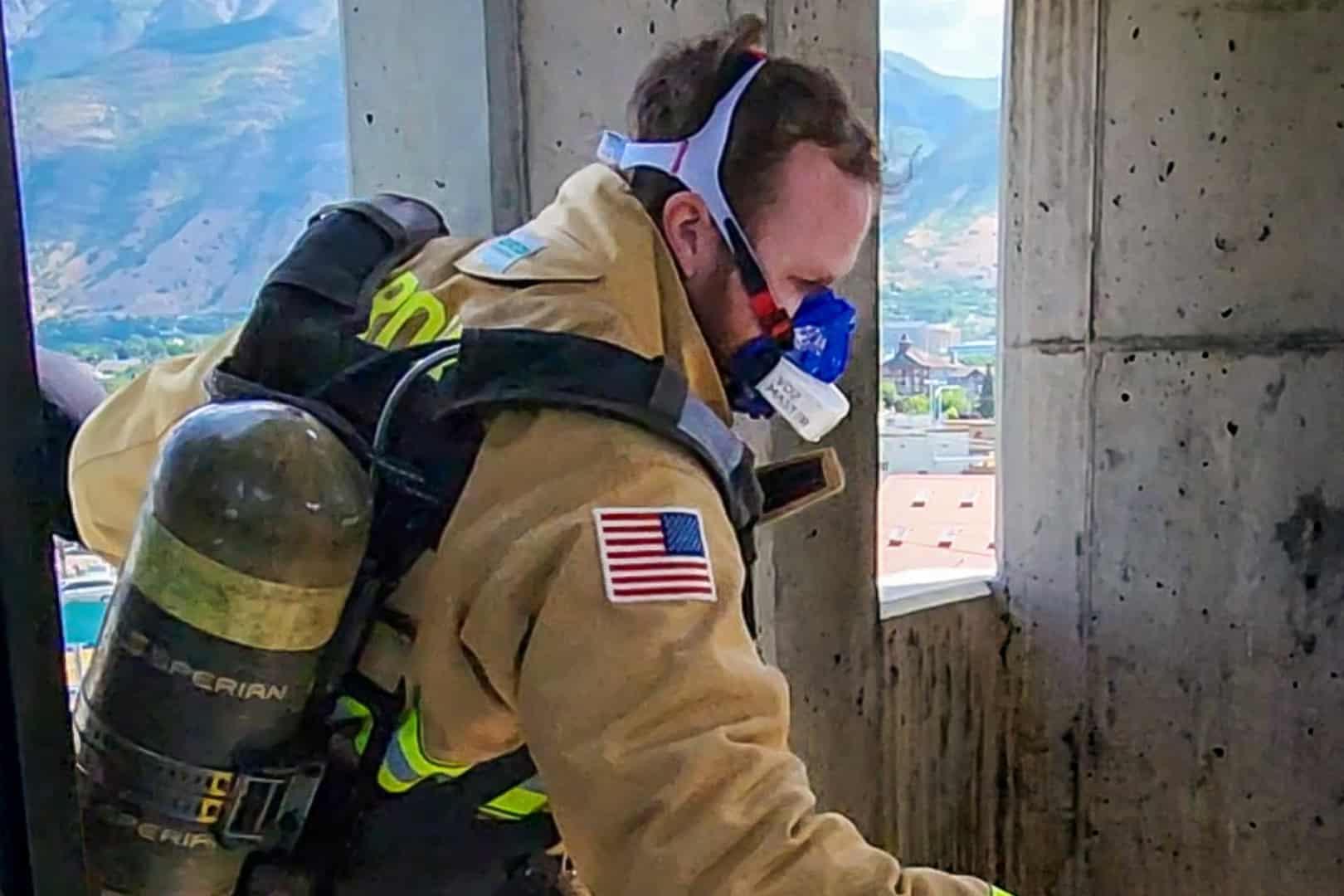
From return-to-play decisions to performance optimization, athletic trainers are turning to portable metabolic testing for live, in the moment athlete insights.
Introduction
Athletic trainers are under pressure to do more than manage injuries. They are often expected to optimize training and performance, support recovery, and provide objective data to justify decisions. The VO2 Master Analyzer is helping bridge that gap.
Athletic trainers are using the VO2 Master Analyzer to bring lab-grade metabolic insights into real-world athletic settings. This enables better return-to-play decisions, smarter conditioning, and more personalized training.
Table of Contents
The Evolving Role of Athletic Trainers
Athletic trainers today operate at the intersection of rehab and performance.
From injury care to performance support
Historically, athletic trainers focused on:
- Acute injury management
- Rehabilitation protocols
- Return-to-play clearance
Now, expectations include:
- Conditioning progression
- Load monitoring
- Aerobic capacity assessment
- Data-driven decision making
This shift requires better tools. Subjective assessments and basic metrics like heart rate are no longer enough in highly competitive situations.
What the VO2 Master Analyzer Measures
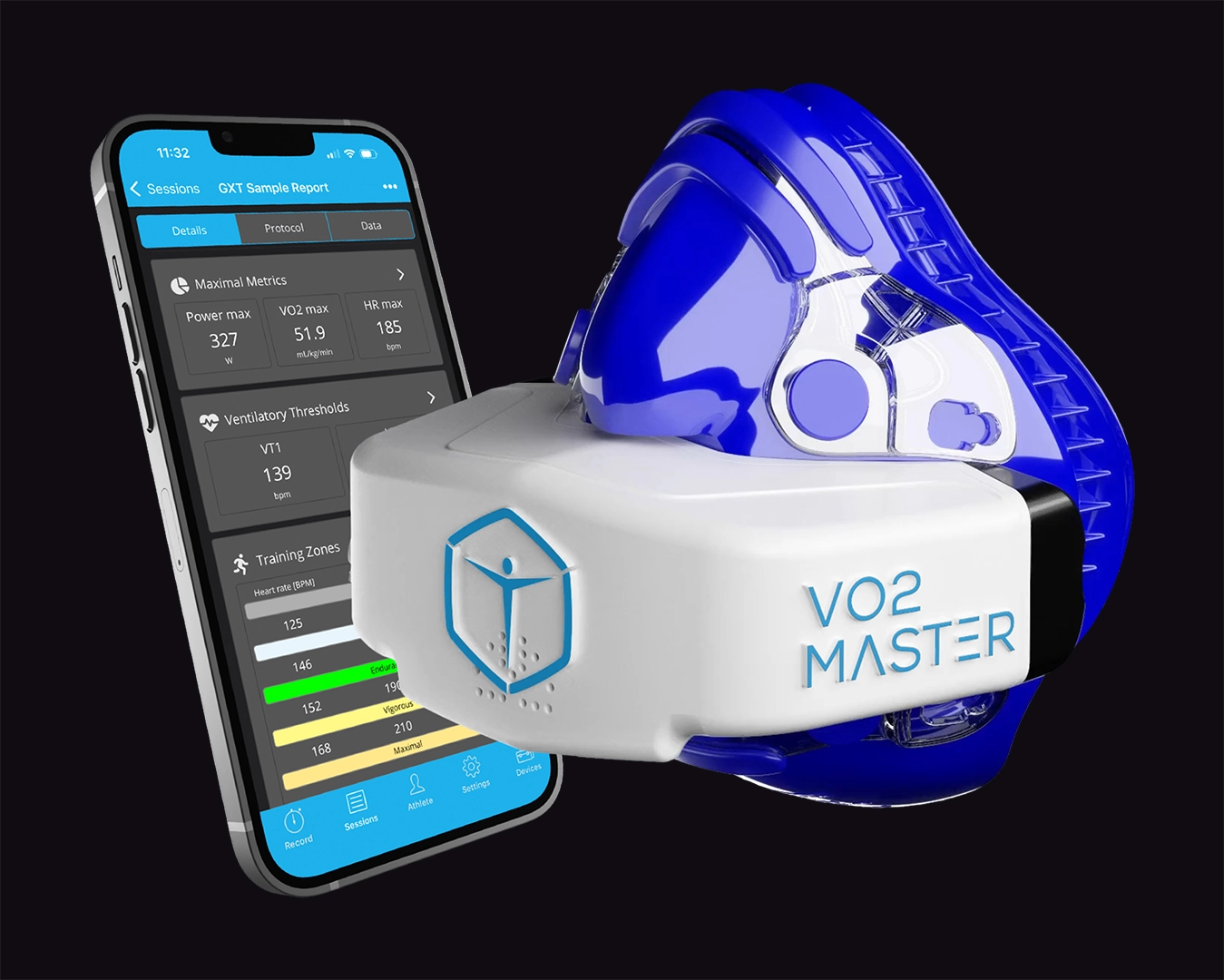
The VO2 Master Analyzer is a portable system that measures oxygen consumption in real time.
Key metrics explained
VO2 and VO2 Max
VO2 represents oxygen uptake. VO2 Max reflects maximal aerobic capacity and is widely used as a performance benchmark. VO2 submax during training is used for endurance training to identify ideal race pace, breathing mechanics limiters and more.
Ventilatory thresholds
These thresholds indicate changes in breathing patterns tied to metabolic shifts. They are critical for defining accurate training zones.
Energy expenditure
Using indirect calorimetry, the system estimates calorie burn and substrate use.
Indirect calorimetry calculates energy expenditure based on oxygen consumption. This method is widely accepted in both performance and professional health and fitness settings (ACSM Guidelines for Exercise Testing and Prescription).
Why Portable Metabolic Testing Matters
Traditional metabolic testing is confined to labs and used to be only for patients.
Limitations of lab testing
- Expensive and time-consuming
- Limited ecological validity due to controlled environment and movement
- Carts could not be moved
Advantages of portability
Portable metabolic testing allows:
- Sport-specific testing allows more natural movement
- Real-time feedback, instant reports
- Frequent retesting provides key metrics and trends
- On-field assessments can be performed indoors or outside and when traveling
This aligns with how athletic trainers actually work, in dynamic field environments.
NCAA new guidelines for performance technology use, see more information

Key Use Cases for Athletic Trainers
Return-to-play conditioning
Athletes often regain strength before they regain aerobic fitness.
With VO2 Master, trainers can:
- Track aerobic recovery post-injury
- Compare pre- and post-injury data
- Progress conditioning safely
This adds objectivity and accuracy to return-to-play decisions.
Aerobic capacity profiling
Not all athletes respond the same to training.
VO2 Master enables:
- Individualized VO2 Max and submax testing
- Identification of aerobic limitations
- Targeted conditioning programs
Research supports VO2 Max as a key determinant of endurance performance (Bassett and Howley, 2000).
Training zone identification
Heart rate zones are often inaccurate on their own because they are based on population averages and are not specific to your athlete demographics.
With ventilatory thresholds:
- Zones are personalized
- Training becomes more precise
- Overtraining risk is reduced
Monitoring deconditioning
During injury downtime, aerobic fitness declines quickly.
Athletic trainers can:
- Quantify fitness loss
- Adjust rehab intensity
- Rebuild conditioning progressively
Field-based sport testing
This is where VO2 Master stands out.
Trainers can test:
- Team sport players during drills on the field or court
- Runners, cyclists or swimmers
This improves relevance and athlete buy-in.

VO2 Master vs Traditional Lab Testing
| Feature | VO2 Master Analyzer | Traditional Lab Systems |
|---|---|---|
| Portability | Fully portable | Fixed lab setup |
| Testing environment | Field and indoor | Lab only |
| Cost | Lower barrier | High capital cost |
| Frequency | High, repeatable | Limited |
| Setup time | Minimal | Extensive |
| Athlete experience | Natural movement | Controlled setting |
Traditional systems like those used in CPET testing remain valuable. However, portability is changing how often and where testing happens.
The American College of Sports Medicine highlights the importance of valid, repeatable testing conditions. Portable systems enable this through consistent protocols in real-world environments.
Get an instant quote and see how portable metabolic testing fits into your workflow.
Real-World Benefits in Performance and Rehab
Better decision making
Objective data supports:
- Return-to-play clearance
- Training progression
- Conditioning benchmarks
Improved athlete compliance
Athletes are more engaged when:
- Testing is motivating through live feedback
- Insights and reporting is immediate
- They understand why they experienced limiters and plateaus
More frequent testing
Because setup is simple:
- Trainers can test more often
- Track progress over time
- Adjust programs dynamically

Bridging Rehab and Performance
One of the biggest challenges in athletic training is the transition from rehab to top performance.
The missing link
Athletes often:
- Pass strength tests
- Show good mobility
- Still lack conditioning
This gap increases reinjury risk.
How VO2 Master helps
By tracking:
- Aerobic capacity
- Ventilatory thresholds
- Energy efficiency
Trainers can ensure athletes are truly ready for game demands or identify limiters that can be addressed.
Supporting Preventive Health and Longevity
Beyond sport, metabolic testing supports long-term health.
Key applications
- Monitoring aerobic fitness trends
- Assessing metabolic efficiency
- Supporting general wellness programs
VO2 Max has been associated with overall health outcomes and longevity in population studies (Blair et al., JAMA).
Athletic trainers working with general populations can use this data to guide lifestyle interventions.
Conclusion
Athletic trainers’ responsibilities have evolved. Their tools need to evolve too.
The VO2 Master Analyzer brings metabolic testing directly into the environments where athletes actually train and compete. This advancement enables more precise decisions, more personalized athlete programs, and improved outcomes across both performance and rehab.
Book a demo or get an instant quote to see how the VO2 Master Analyzer can help your athletes return stronger, train smarter, and stay ready for championship-level performance.
Feature photo courtesy of Continuum HP, NFL Combine
Frequently Asked Questions
What is the VO2 Master Analyzer used for?
It measures oxygen consumption to assess aerobic capacity, training zones, and energy expenditure in real time.
Is portable metabolic testing accurate?
The VO2 Master Analyzer has been validated against traditional lab equipment in multiple published studies, showing strong agreement when proper protocols are followed.
Can athletic trainers use it in return-to-play protocols?
Yes. It provides objective data on aerobic recovery, which supports safer and more informed decisions.
How often should athletes be tested?
Testing frequency depends on goals, but many trainers test before and after training camps, during return to play testing and decision making. Endurance athletes often perform submax testing while training.