Summer heat changes more than how exercise feels. It affects heart rate, oxygen consumption, energy expenditure, and training intensity. Learn how portable metabolic testing helps fitness and wellness professionals understand these physiological changes, personalize exercise programs, and deliver more valuable coaching throughout the summer.
Introduction
Summer can be a busy season for fitness and wellness facilities.
New members join before vacations, outdoor boot camps become more popular, many race training groups get going and existing clients often increase their activity levels. It is also the season when coaches hear the same questions again and again.
“Why does this workout suddenly feel harder?”
“Why is my heart rate so much higher than it was last month?”
“Should I change my cardio because it’s hotter outside?”
These questions create an opportunity to do more than motivate clients. They create an opportunity to educate them using objective physiological data instead of traditional assumptions.
The challenge is that most coaches rely on external metrics such as pace, power, distance, or heart rate. While these measurements are valuable, they do not explain why a client’s body is responding differently during the summer.
This is why metabolic testing in summer becomes a valuable coaching tool.
Summer heat changes the physiological cost of exercise, even when the workout itself stays the same. Portable metabolic testing helps fitness and wellness professionals understand those changes so they can personalize training, educate clients, and make better coaching decisions.
Table of Contents
Why Summer Changes More than Clients May Know
Many coaches assume that if a client completes the same workout, the training stimulus is the same.
Physiologically, that isn’t always true.
A client who comfortably completes a 45-minute run in May may find the exact same workout significantly more demanding in July, even though their pace, distance, and route haven’t changed.
That doesn’t necessarily mean they’ve lost fitness.
More often, it means their body is working harder to regulate temperature while simultaneously supporting exercise.
Understanding this distinction is one of the most valuable lessons coaches can teach clients during the summer months.
Instead of judging every workout by pace or heart rate alone, they can begin evaluating how environmental conditions influence physiological stress.
This is one of the reasons portable metabolic testing has become increasingly valuable for fitness and wellness facilities.
Rather than estimating how the body is responding, coaches can measure it and track over time.
What Happens Physiologically During Exercise in the Heat
To understand why metabolic testing is valuable during the summer, it helps to first understand what the body is trying to accomplish during exercise.
Every movement requires energy. Muscles convert stored carbohydrates and fats into usable energy through aerobic metabolism, a process that depends on oxygen. However, muscles are not perfectly efficient.
Only a portion of the energy produced becomes movement. The majority is released as heat.
Under moderate environmental conditions, the body removes this heat through several cooling mechanisms, sweating, increased blood flow to the skin, evaporation and more. As outdoor temperatures rise, these cooling systems become less effective.
Humidity makes the challenge even greater because sweat cannot evaporate as efficiently, reducing the body’s ability to dissipate heat.
The result is a higher physiological cost for the same external workload.
Imagine two clients cycling at exactly 180 watts. One is training indoors in a climate-controlled facility. The other is riding outside on a hot, humid afternoon. Mechanically, they are performing the same amount of work, physiologically, they are not.
The second client is likely experiencing greater cardiovascular strain, increased oxygen demand, higher sweat rates, and greater perceived effort, despite producing the same power output.
Coach’s Takeaway
The workout hasn’t changed. The client’s physiological response has.
Understanding that difference is the first step toward delivering more personalized coaching.
Cardiovascular Drift: Why Heart Rate Climbs During Summer Workouts
One of the first physiological changes many clients notice is a higher heart rate.
This phenomenon, known as cardiovascular drift, occurs because the cardiovascular system must perform two jobs at the same time.
It must deliver oxygen-rich blood to the working muscles while also transporting heat toward the skin for cooling.
As body temperature rises and fluid is lost through sweating, stroke volume gradually decreases. To maintain cardiac output, heart rate increases, even if exercise intensity remains unchanged.
For coaches who rely heavily on heart rate zones, this creates an important challenge.
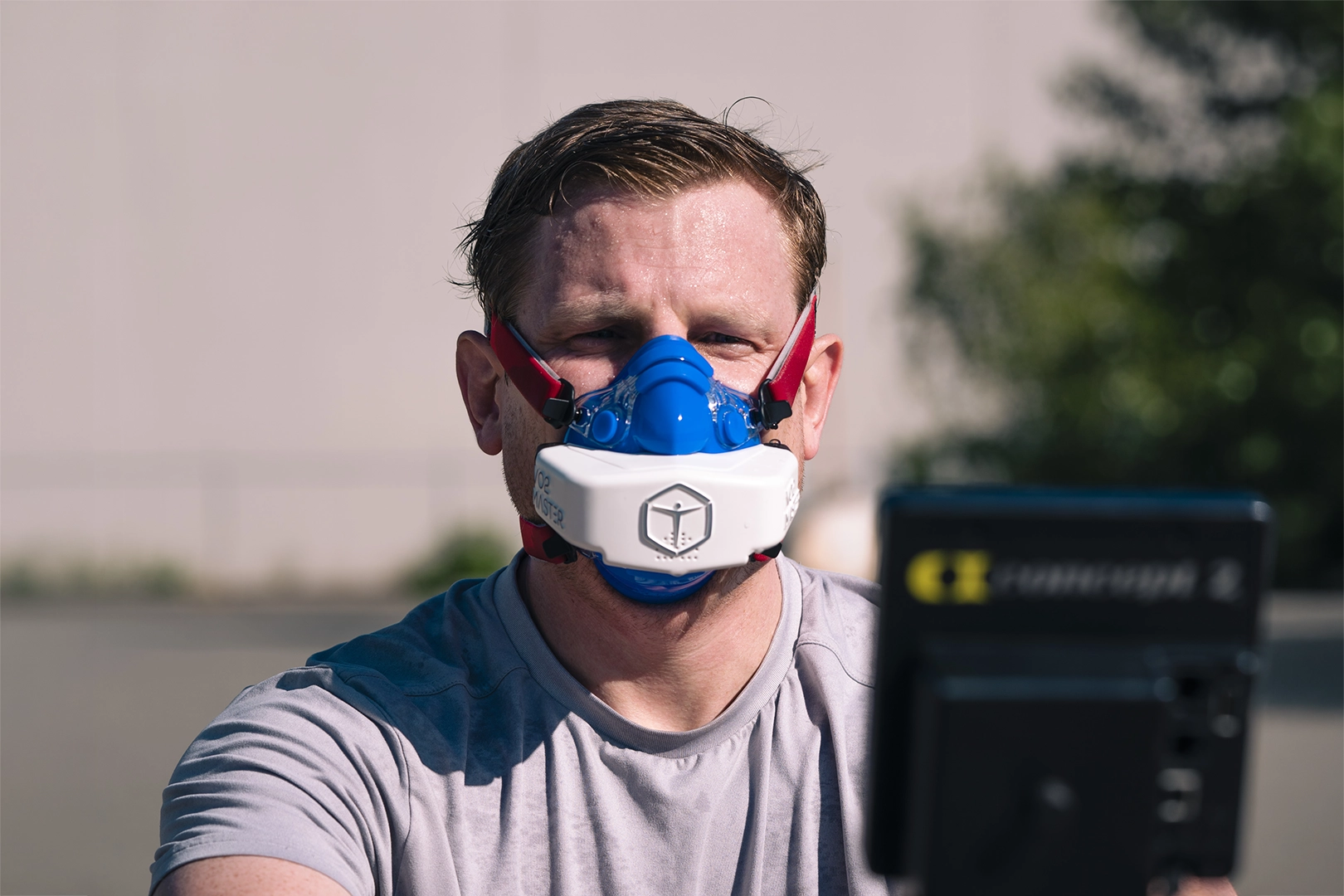
A client who normally trains comfortably in Zone 2 may suddenly appear to be exercising in Zone 3 during a hot summer workout, even though they haven’t increased their pace or power.
Without understanding cardiovascular drift, it is easy to misinterpret the data.
Some clients may believe they have become less fit. Others may push even harder, assuming they simply need to “work through it.”
Neither conclusion is necessarily correct. Heart rate reflects more than exercise intensity.
It is also influenced by temperature, hydration, fatigue, stress, and environmental conditions.
Coach’s Takeaway
Heart rate tells you what is happening. Understanding oxygen consumption and metabolic response helps explain why it is happening.
Oxygen Demand Increases, Even at the Same Workout Intensity
Summer heat doesn’t just make exercise feel more difficult. It changes how much oxygen your body needs to perform the same amount of work.
During aerobic exercise, oxygen is used to convert carbohydrates and fats into energy that muscles can use for movement. As body temperature rises, however, additional physiological systems become involved to regulate core temperature, increase blood flow to the skin, produce sweat and other adaptations, all of which require energy.
As a result, the oxygen cost of maintaining the same pace, speed, or power output often increases in hot conditions.
For example, a client who comfortably walks at 6 km/h on a treadmill in an air-conditioned facility may require more oxygen to maintain that same pace during an outdoor summer session. The workout hasn’t changed, but the body’s physiological demands have.
This distinction is important because many clients judge their fitness based on external performance alone.
A slower pace or higher heart rate may not indicate declining fitness. It may simply reflect the additional metabolic cost of exercising in the heat.
Coach’s Takeaway
External workload tells you what your client is doing. Metabolic testing reveals how hard their body is working to do it.

Why Heart Rate and Wearables Don’t Tell the Whole Story
Wearable technology has transformed the fitness industry. Most clients now arrive with a smartwatch, fitness tracker, or heart rate monitor that estimates calories burned, training load, recovery, and even VO2 Max.
These tools can be helpful, especially for motivation.
However, most wearable devices rely on predictive algorithms built from heart rate, movement, and population-based equations. They estimate metabolic physiological responses rather than directly measuring oxygen consumption, this is key given the significant physiological differences between people.
During the summer, those estimates become more difficult to interpret because environmental conditions influence many of the variables they rely on.
For example, a higher heart rate may result from:
- Increased environmental temperature.
- Dehydration.
- Psychological stress.
- Caffeine intake.
- Accumulated fatigue.
- Greater exercise intensity.
Without additional context, it is difficult to determine which factors are driving the response.
Portable metabolic testing complements wearable technology by adding objective physiological measurements.
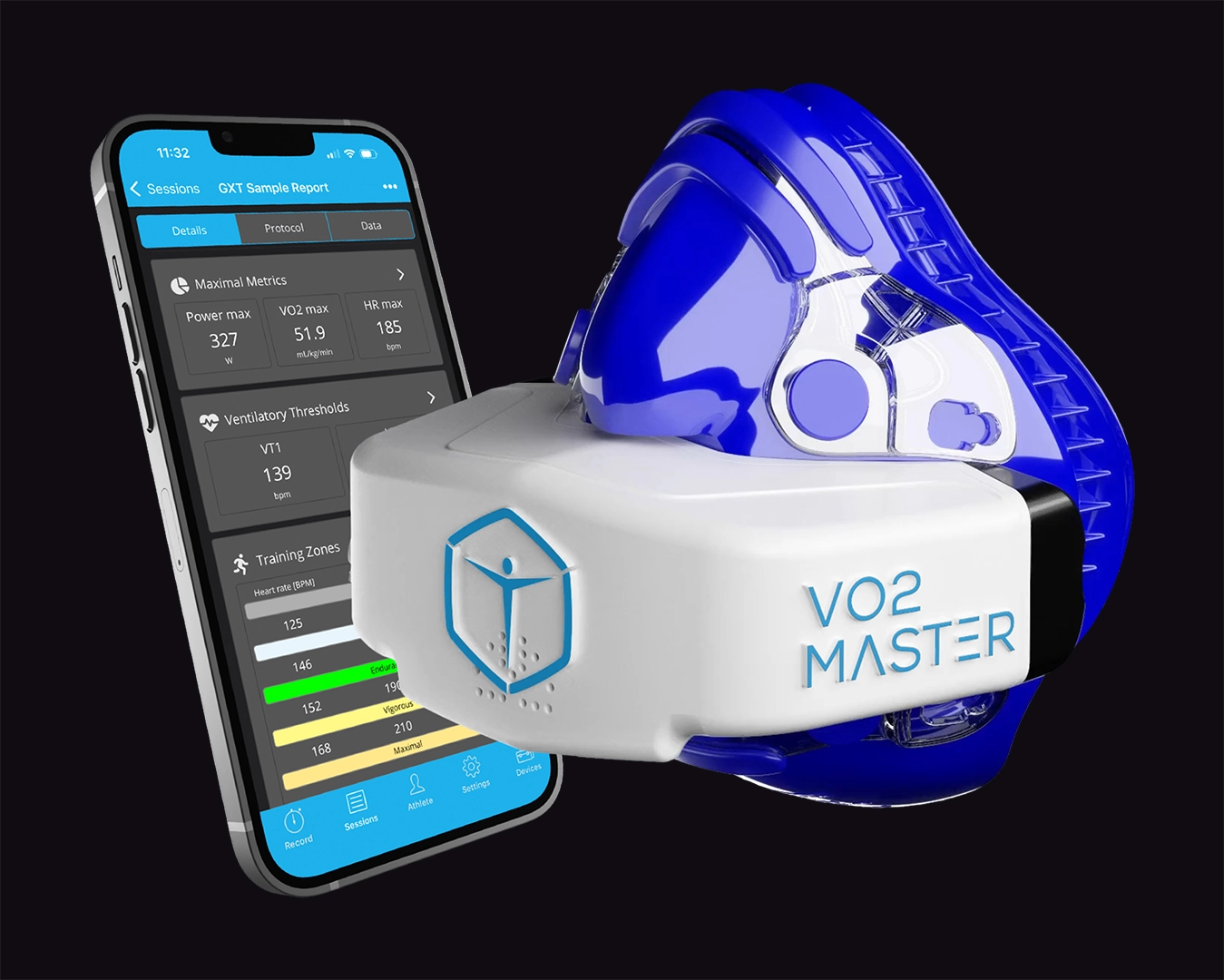
Instead of estimating how hard the body is working, coaches can measure oxygen consumption and better understand the relationship between workload, energy expenditure, and aerobic capacity and provide direct, specific metrics for each person allowing for precise training zones, identification of limiters and other key insights.
Go beyond wearable estimates. Discover why directly measured VO2 Max delivers clearer insights and more precise training.
Explore Actual VO2 Max vs. Wearable Estimates
What Metabolic Testing Reveals
So what does portable metabolic testing actually tell you?
For fitness and wellness professionals, it provides objective information that supports more personalized coaching decisions.
Aerobic Capacity
VO2 represents the amount of oxygen the body uses during exercise.
VO2 Max measures the highest rate at which oxygen can be used during maximal exercise and is one of the best-known indicators of aerobic fitness.
While many people focus on improving their VO2 Max score, coaches often gain even more value by understanding how clients use oxygen throughout submaximal exercise, the information before the maximum point in the test.
This information helps establish a baseline, monitor improvements over time, and allow coaches to make better decisions and clients see optimal results.
Personalized Training Zones
Many exercise programs still rely on age-predicted heart rate equations or generalized training zones.
These approaches are useful starting points, but they cannot account for individual physiological differences.
Metabolic testing helps identify personalized training zones based on measured responses rather than population averages.
During the summer, this becomes particularly valuable.
A client whose heart rate is elevated because of heat may not need to train harder or slower. They may simply need training recommendations based on how their body is responding under those conditions.
Personalized training zones help remove much of the guesswork from exercise prescription.
Coach’s Takeaway
The goal isn’t simply collecting more data. It’s collecting meaningful data that helps you coach each client as an individual.
See how metabolic testing turns objective data into more personalized coaching.
Comparison: Coaching with Estimates vs. Coaching with Metabolic Testing
| Question | Traditional Coaching Tools | Portable Metabolic Testing |
|---|---|---|
| Is my client’s heart rate higher because they’re working harder? | Estimate based on heart rate and RPE | Measures physiological response alongside oxygen consumption |
| Is today’s slower pace caused by reduced fitness or heat? | Difficult to determine | Provides context by measuring aerobic response and energy demand |
| Are training zones still appropriate? | Often based on formulas | Personalized using measured physiological data |
| How much energy is my client expending? | Estimated from algorithms | Calculated using measured oxygen consumption |
| How do I explain today’s workout? | Subjective interpretation | Objective physiological data supports coaching decisions |
Want to see how portable metabolic testing can enhance your coaching?
Book a personalized VO2 Master demo to learn how fitness and wellness facilities are using objective physiological data to personalize exercise programs, educate clients, and deliver premium assessment services.
Turning Summer Physiology into Expanded Coaching Experiences
Understanding how heat affects exercise physiology is valuable. Applying that knowledge to improve coaching is where the real opportunity lies.
Summer often brings an increase in outdoor training programs, race training and clients looking to become more active. It is also a time when coaches must manage greater variability in how clients respond to exercise.
Onboard New Clients with Confidence
Many new clients begin exercising in the summer after months of reduced activity. They may compare themselves to friends, follow generic workout plans online, or rely on wearable devices to guide their training.
An initial metabolic assessment provides a much stronger starting point.
Rather than prescribing exercise based solely on age or estimated heart rate zones, coaches can better understand each client:
- Ventilatory thresholds
- Energy expenditure during exercise
- Individualized training zones
- Exercise efficiency
This creates a personalized baseline that can be revisited throughout the year to demonstrate measurable progress.
For clients, objective data builds confidence. For coaches, it provides a more informed foundation for exercise prescription.
Improve Summer Weight Management Programs
Many facilities promote weight management or metabolic health programs during the summer.
While calorie tracking and wearable estimates can be useful, they often fail to account for individual differences in metabolism and exercise response.
Resting Metabolic Rate (RMR) testing provides clients’ caloric balance, how many calories they burn per day and what their goal caloric ingestion is based on their goals.
Add Value to Wellness Programs
Wellness is becoming increasingly personalized. Clients are looking for more than workout programs. They want to understand how their body responds to exercise and how to train more effectively.
These assessments can help facilities differentiate their services while providing clients with objective insights that can be repeated and tracked over time for a long-term profile of their metabolic health.
Coach Outdoor Programs More Effectively
Outdoor boot camps, walking groups, run clubs, and community fitness events are especially popular during the summer.
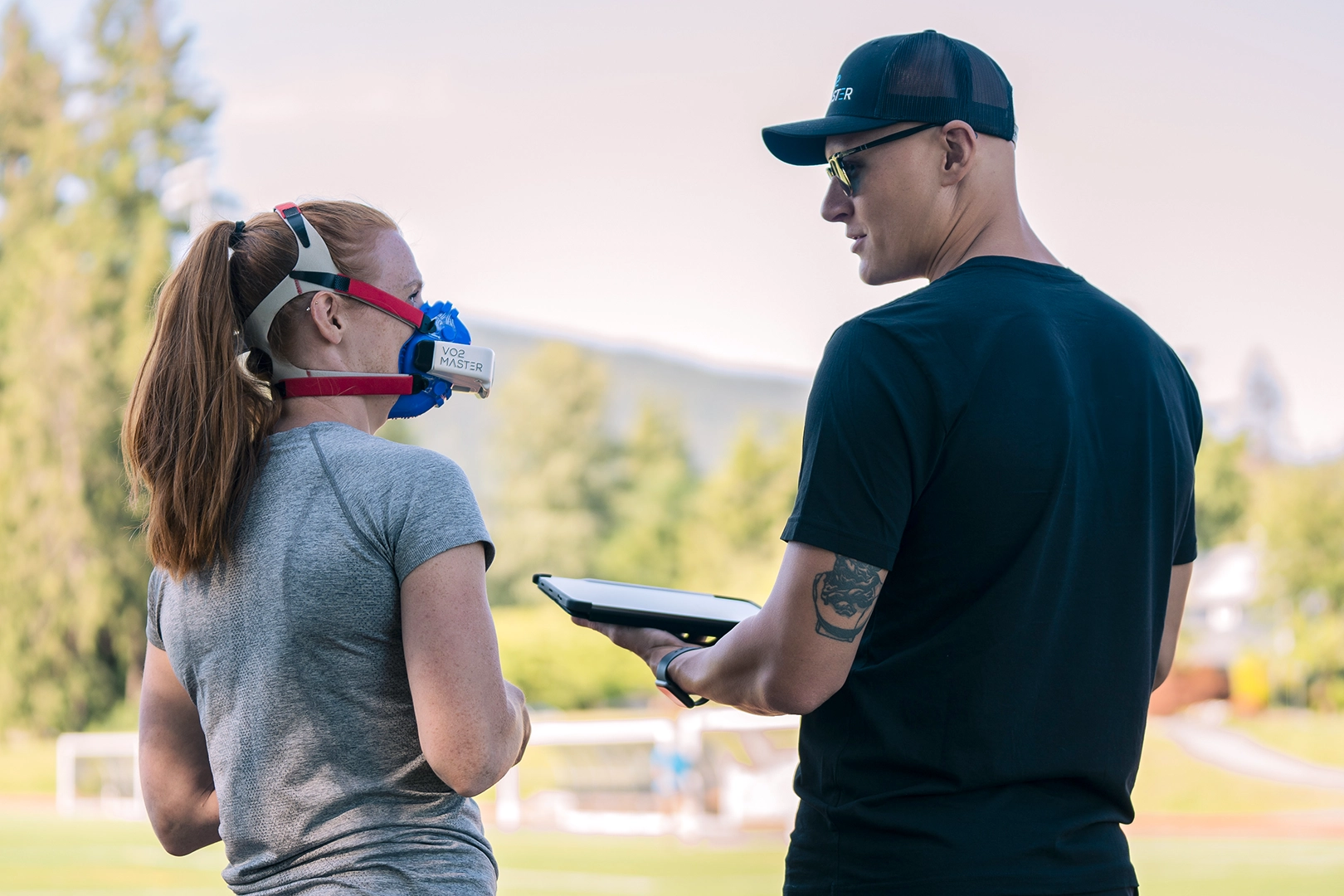
Portable metabolic testing allows coaches to better understand how clients respond in the same environment where they train.
Support Long-Term Client Progress and Retention
One assessment provides useful information. Repeated assessments provide a story.
By periodically measuring aerobic capacity, exercise response, and energy expenditure, coaches can demonstrate how clients’ key metrics are changing over time.
This is particularly valuable because summer performance does not always reflect long-term fitness improvements.
A client may run more slowly in July than they did in April while still improving their aerobic capacity.
Objective metabolic data helps explain those changes, reinforcing that progress should be measured by physiology, not pace alone.
Want to learn how to turn metabolic testing into stronger revenue, better coaching, and lasting client retention? Read the Business Case for Metabolic Testing
Why Portable Metabolic Testing is Expanding Globally

For many years, metabolic testing was associated with large laboratory systems in hospitals and highly controlled testing environments.
Today’s portable Bluetooth enabled technology with instant reporting has changed that.
With VO2 Master, metabolic testing has become part of everyday coaching in 52 countries worldwide.
Fitness and wellness professionals can perform assessments:
- Inside fitness facilities
- During outdoor training sessions
- As part of client onboarding
- During wellness consultations
- Throughout seasonal training programs
The value is not simply collecting more physiological data. It is helping clients understand how their body responds to their exercise or sport specific movement and using that information to make smarter coaching decisions.
When clients see objective measurements instead of estimates, they gain greater confidence in their training program and a clearer understanding of their progress.
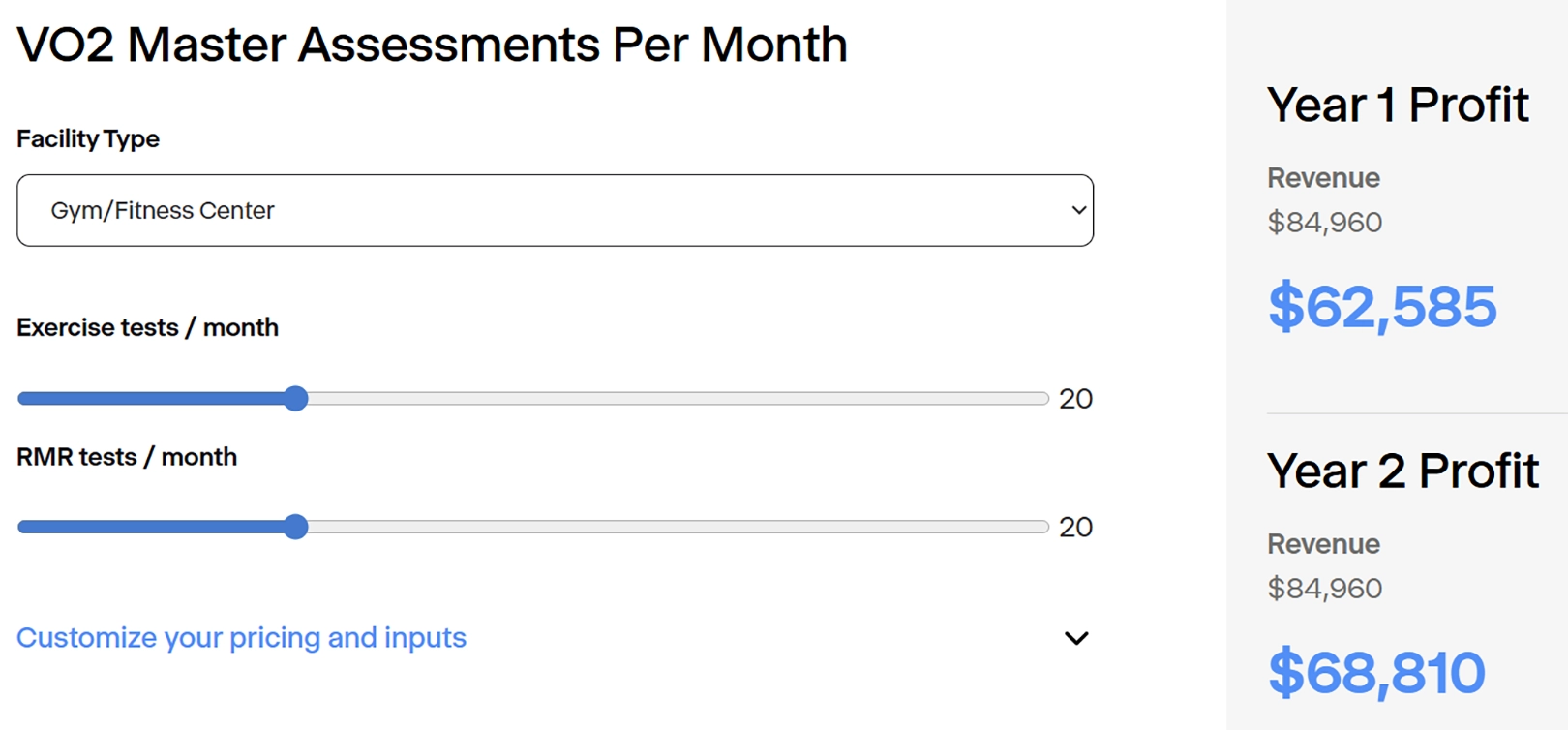
Use the VO2 Master Return On Investment (ROI) calculator to see the potential for yearly profit when providing VO2 Master assessments.
Conclusion
Summer creates opportunities for fitness and wellness professionals to provide more personalized, evidence-based coaching with metabolic testing.
As temperatures rise, exercise becomes more physiologically demanding. Heart rate increases, oxygen requirements change, and energy expenditure can vary even when the workout appears identical.
Understanding these responses helps coaches explain why clients may feel different during summer training and adjust exercise programs with greater confidence.
Portable metabolic testing with the VO2 Master analyzer takes that understanding much further.
Rather than relying solely on heart rate, pace, or wearable estimates, fitness and wellness professionals can measure how each client responds to exercise, personalize training recommendations, and track meaningful progress over time.
The result is better coaching, more informed conversations, and a stronger client experience built on objective physiological data.
Ready to Elevate Your Coaching this Summer with Metabolic Testing?
Shop VO2 Master to explore our portable metabolic analyzers, or Book a Demo to see how metabolic testing can become a valuable part of your fitness or wellness facility.
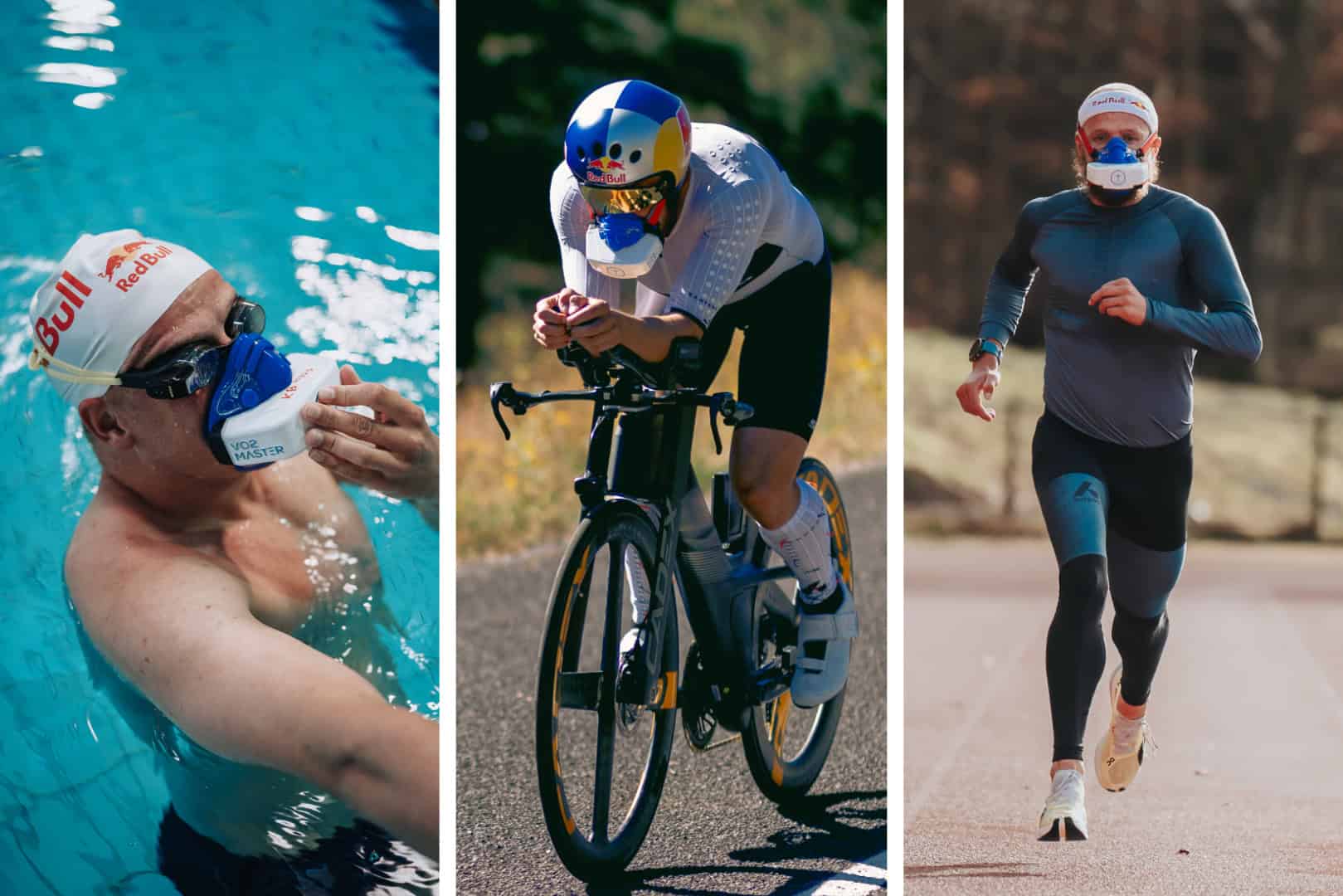
Feature Image: World and Olympic Ironman triathlete Kristian Blummenfelt.
Frequently Asked Questions
Why do my clients struggle more with the same workout during the summer?
Heat increases the physiological demands of exercise. The body must regulate temperature while continuing to supply oxygen to working muscles, often resulting in higher heart rates, greater perceived effort, and increased energy expenditure, even when pace or power remain unchanged.
Can portable metabolic testing be performed outdoors?
Yes. One of the biggest advantages of the VO2 Master analyzer is its portability. Fitness and wellness professionals can measure physiological responses during outdoor walking, running, cycling, boot camps, and other real-world training sessions.
Does heat change training zones?
It can. Environmental conditions influence heart rate and perceived effort, which may alter how clients respond to a given workload. Metabolic testing helps coaches personalize training zones based on measured physiology such as ventilatory thresholds rather than relying solely on generalized formulas.
How often should clients be tested?
The ideal testing frequency depends on individual goals. Many facilities perform an initial assessment followed by periodic re-testing throughout the year to evaluate improvements in aerobic capacity, exercise efficiency, and training response. Many athletes do testing before and after training blocks.
Is metabolic testing only for high-performance athletes?
Not at all. Fitness enthusiasts, active adults, wellness clients, and individuals beginning an exercise program can all benefit from understanding their aerobic capacity, energy expenditure, and personalized training zones. Objective physiological data supports better coaching regardless of fitness level.
Authoritative Sources
- American College of Sports Medicine. ACSM’s Guidelines for Exercise Testing and Prescription.
- Périard JD, Eijsvogels TMH, Daanen HAM. Exercise under heat stress: Thermoregulation, hydration, performance implications, and mitigation strategies. Physiological Reviews.
- Cheuvront SN, Kenefick RW. Dehydration: Physiology, Assessment, and Performance Effects. Comprehensive Physiology.
- Sawka MN, et al. Exercise and Fluid Replacement. American College of Sports Medicine Position Stand.