Introduction
Autonomic recovery plays a key role in performance, readiness, and repeatability of effort. To understand recovery, you first need to standardize the stress that drives it.
In this study, researchers examined whether body composition influences acute recovery following maximal exertion. Using the VO2 Master analyzer, they measured VO2 Max during a controlled rowing test to ensure a consistent physiological load before analyzing recovery.
The results were clear. Structured breathwork improved heart rate variability recovery, while body composition did not significantly influence short-term outcomes in this tactical population.
Table of Contents
Why VO2 Max Testing Matters for Recovery Research
Recovery data is only meaningful if the stress is consistent.
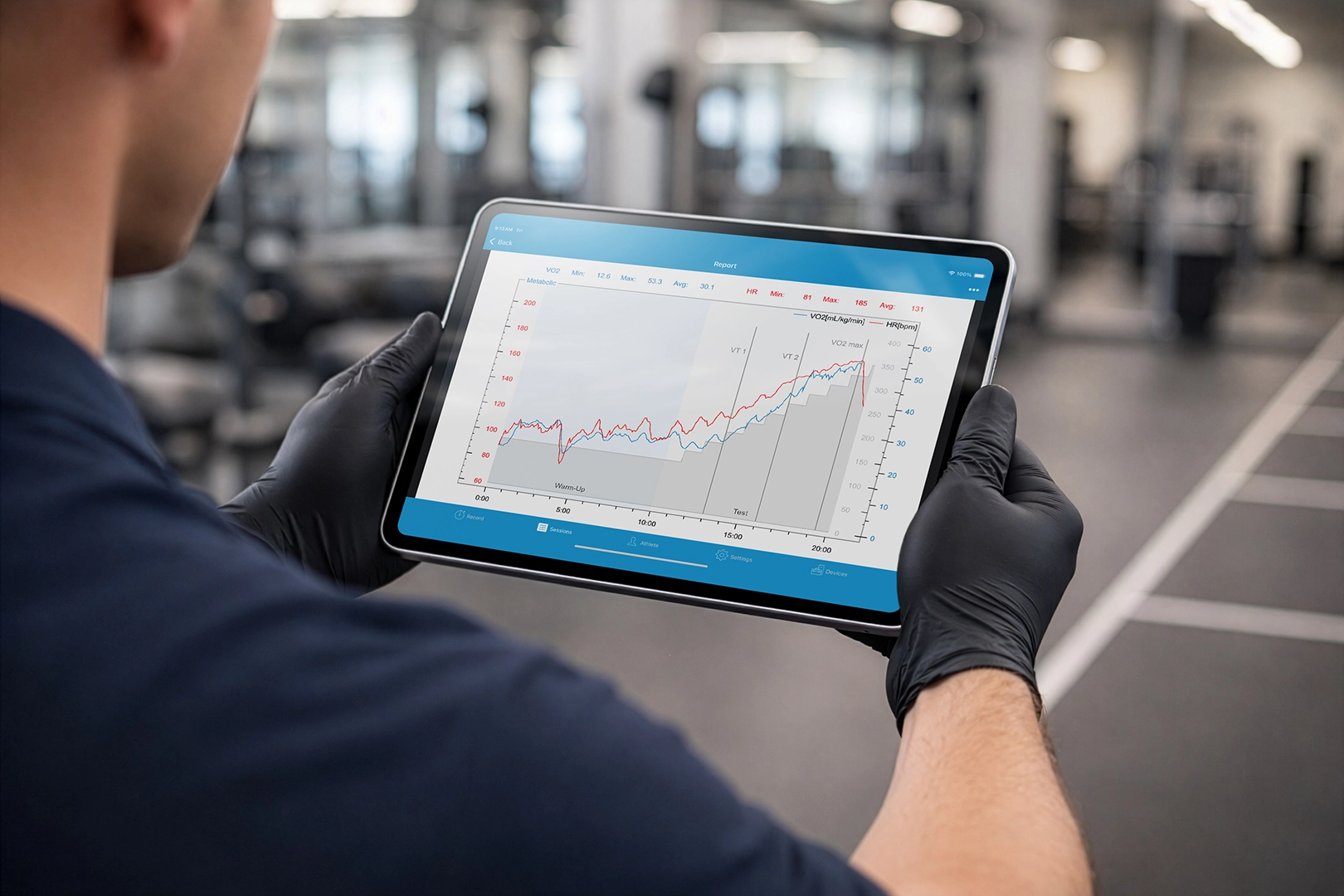
This study used the VO2 Master analyzer to measure VO2 Max during a graded rowing test, ensuring:
- A true maximal physiological effort
- Accurate workload control
- Consistent fatigue across participants
Portable metabolic analysis allowed researchers to:
- Capture real-time oxygen consumption
- Validate maximal effort
- Standardize the recovery window that followed
This matters when studying autonomic recovery. Without a verified VO2 Max effort, differences in recovery may reflect inconsistent effort rather than physiology.
See published research using the VO2 Master analyzer
What Is Parasympathetic Recovery?
After intense exercise, the body transitions from a sympathetic state, stress response, to a parasympathetic state, recovery mode.
Two key metrics are commonly used:
- HRV (Heart Rate Variability): reflects parasympathetic nervous system activity
- HRR (Heart Rate Recovery): reflects how quickly heart rate declines post-exercise
In practice:
- HRV captures nervous system recovery
- HRR captures cardiovascular recovery
Study Overview and Protocol
This 2026 study from the Journal of Exercise and Nutrition included 52 ROTC cadets.
Testing Methodology
- Baseline HRV measurement
- VO2 Max test using VO2 Master on a rowing ergometer
- 3-minute active recovery at 50% workload
- Assigned breathing condition:
- Box breathing
- Cyclic sighing
- Spontaneous breathing
- HRV measured at:
- 1–3 minutes post-exercise
- 4–6 minutes post-exercise
Learn more about VO2 Master compatible devices
Body Composition Measures
- Percent body fat (%BF) via DXA
- Fat-free mass index (FFMI)
Key Findings at a Glance
| Variable | Impact on HRV Recovery | Impact on HR |
|---|---|---|
| Breathwork | Significant improvement | No effect |
| % Body Fat | No significant effect | No effect |
| FFMI | No significant effect | No effect |
| Time | Strong effect | Strong effect |
Breathwork vs Body Composition
Breathwork Drives Acute Recovery
Both breathing strategies improved HRV:
- Box breathing showed the strongest effect
- Cyclic sighing also improved parasympathetic activation
These interventions explained:
- ~ 19% of HRV variance early in recovery
- ~22% later in recovery
This represents a meaningful shift over a short time period.
Body Composition Did Not Predict Recovery
Despite theoretical links, the study found:
- No significant effect of %BF
- No significant effect of FFMI
- No impact on HRR
Demographics
Participants were:
- Young, fit and within normal VO2 Max ranges.
This limited variability and study size means further study would be required to generalize the results across larger populations.
HRV vs HRR: What Actually Changed
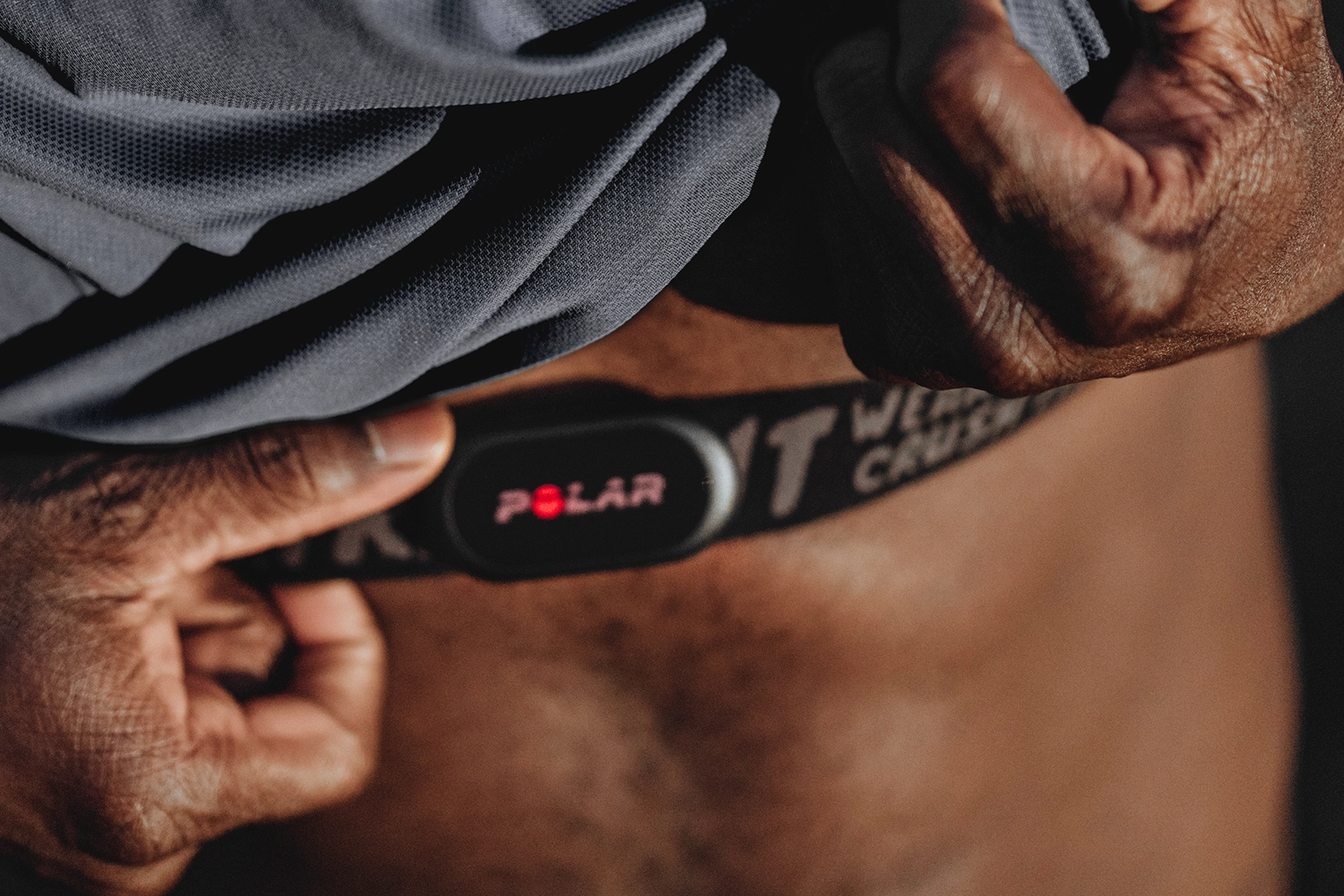
HRV Responds to Intervention
HRV improved with breathwork, indicating:
- Faster parasympathetic reactivation
- Greater autonomic control
HRR Does Not Respond to Interventions
HRR:
- Improved over time
- Was not influenced by breathing or body composition
Key Insights
- HRV is sensitive to behavior
- HRR is primarily time-dependent
Learn more about VO2 Master use in tactical populations
Practical Applications:
- Use VO2 Max testing to standardize effort before analyzing recovery
- Implement structured breathwork immediately post-exercise
- Track HRV if you want to evaluate recovery interventions
- Do not rely on body composition alone to predict short-term recovery
- Metabolic test retest validity is valuable for meaningful insights over time
Conclusion
Structured breathwork, including box breathing and cyclic sighing, enhanced parasympathetic reactivation after maximal exercise, as reflected in HRV changes during recovery.
Body composition, including percent body fat and fat-free mass index, did not influence acute recovery in this population. Heart rate recovery improved over time but was not affected by interventions.
VO2 Max testing with the VO2 Master analyzer allowed for unencumbered use on the Concept 2 rower ensuring a verified and repeatable physiological stimulus and allowing for more accurate recovery analysis.
These findings suggest that short-term recovery is more responsive to immediate behavioral strategies than to body composition.
Get pricing and a custom quote for bringing portable VO2 testing to your institution
Schedule a demo to explore how the VO2 Master Analyzer can support and scale your research
Study Reference
Jones, M. E.1, Smith, G.2, Acevedo, A.3, and Melton, B.1,4 Parasympathetic Reactivation Following Maximal Exercise: Influence of Breathwork and Body Composition in ROTC Cadets. Journal of Exercise and Nutrition. 2026;9(1):8.
1 Department of Health and Human Performance, Concordia University of Chicago, River Forest, IL, USA
2 Defense Health Agency Public Health – Aberdeen, Aberdeen Proving Ground, MD, USA
3 College of Natural Sciences, Grand Canyon University, Phoenix, AZ, USA
4 Department of Health Sciences and Kinesiology, Georgia Southern University, Statesboro, GA, USA
Frequently Asked Questions
Why was VO2 Master important in this study?
It ensured each participant reached a verified maximal effort, allowing accurate comparison of recovery responses.
Does breathwork always improve recovery?
It can improve HRV responses after intense exercise, especially when applied immediately during recovery.
Can this apply outside military populations?
Yes, but results may vary depending on age, fitness level, and variability in body composition.