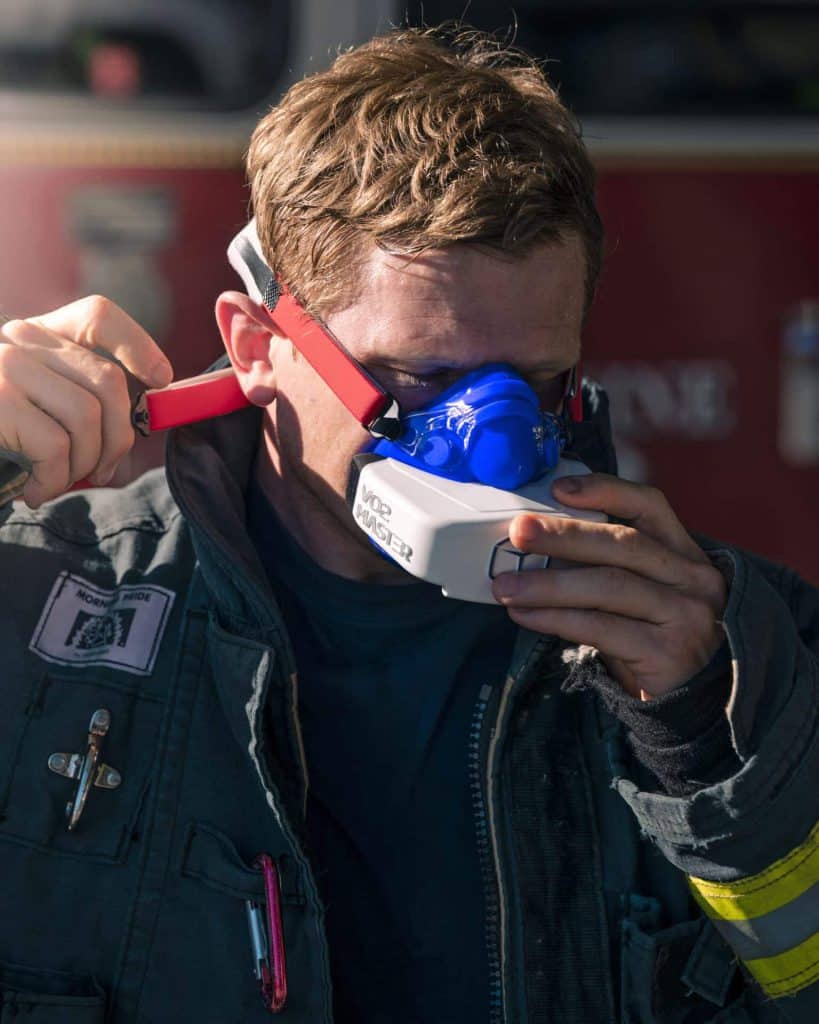
VO2 Max and Longevity Interview: What Every Health Professional Should Know
VO2 max is one of the strongest predictors of how long and how well we live. In this interview, longevity specialist Dr. Elie Abirached and VO2 Master co-founder Dr. Andrew Sellars explain why VO2 max matters for health span, how it declines with age, and how health professionals can measure and improve it using portable VO2 Master analyzers.
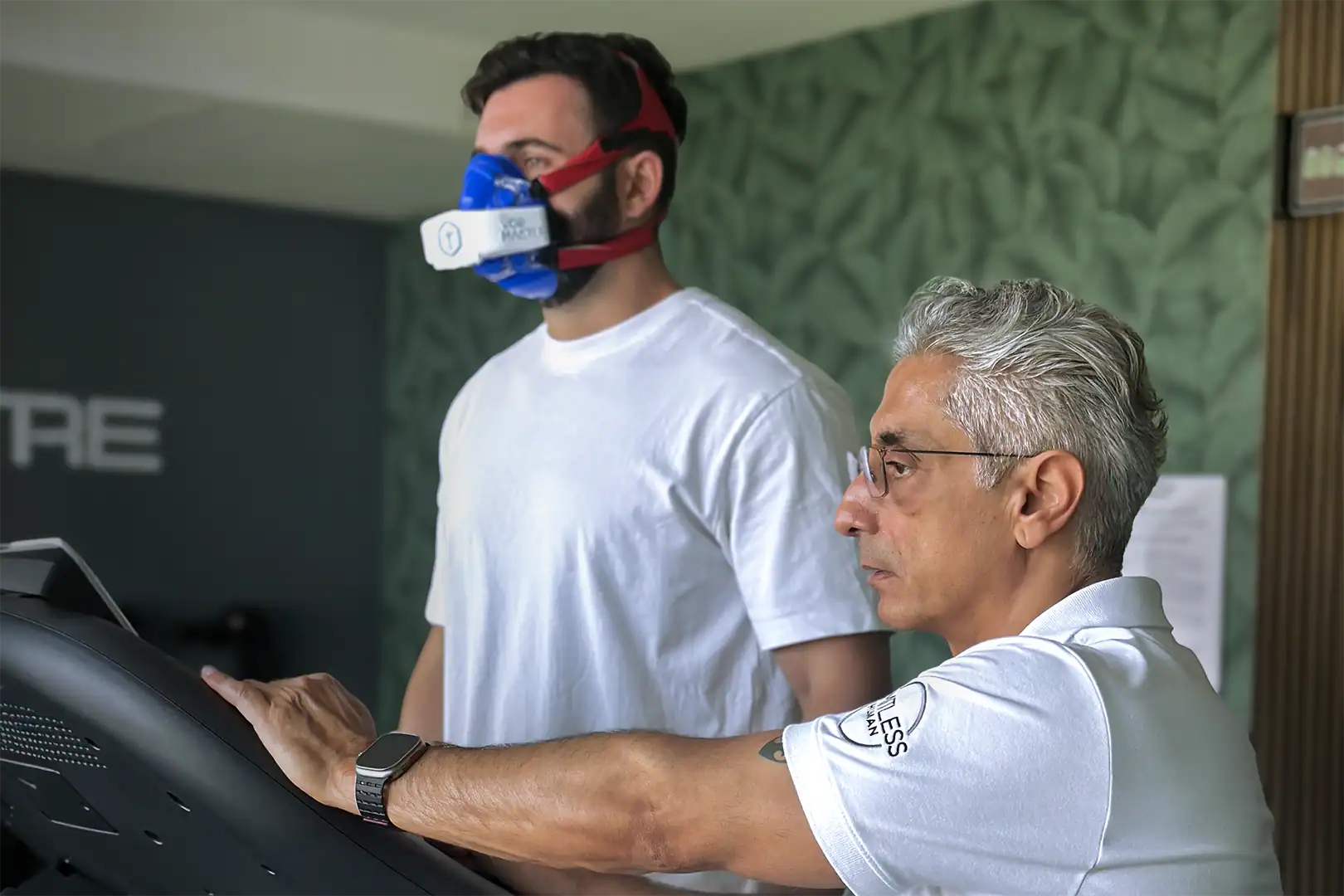
Introduction
If your clients care about aging well, performing better, or improving long-term health span, VO2 max should be one of the first numbers you help them understand. In a recent conversation between longevity specialist Dr. Elie Abirached and VO2 Master co-founder Dr. Andrew Sellars, the two explored why VO2 max is one of the strongest predictors of how well—and how long—we live.
VO2 max reflects the combined efficiency of the heart, lungs, blood vessels, and muscles. Improving it improves health span. And thanks to portable testing, measuring it accurately is no longer limited to hospital labs.
Listen to the full podcast here
Table of Contents
What VO2 Max Really Measures
VO2 max is the maximum amount of oxygen the body can use during intense exercise.
As Dr. Sellars explains, it is powered by four tightly linked systems:
- Heart: pumps oxygen-rich blood
- Lungs: bring oxygen in and move CO2 out
- Blood vessels: deliver oxygen efficiently
- Muscles & mitochondria: extract oxygen and convert fuels into energy
To achieve a high VO2 max, all four must work in harmony. This is why the metric is so strongly tied to global health and longevity—because it reflects total-system performance instead of a single organ.
VO2 Max as a Predictor of Longevity
A growing body of research (1) shows that VO2 max strongly predicts:
- All-cause mortality
- Cardiovascular disease risk
- Mobility and independence in later life
- Resilience after illness or injury
Dr. Abirached notes that many longevity clinics overlook VO2 testing, despite its unmatched ability to reflect whole-system biological function.
“VO2 max is one of the most powerful indicators of longevity and performance,” says Dr. Abirached.
Because VO2 max naturally declines with age, keeping it high helps slow functional decline. And as Dr. Sellars states, many people never reach their true potential because they never train consistently enough to reach their peak.
Why VO2 Testing Is Not Just for Athletes
Historically, VO2 testing was locked inside universities and hospitals due to the size and complexity of lab carts. This meant:
- Only elite athletes or patients were tested
- General populations were excluded
- Outdoor or sport-specific protocols were impossible
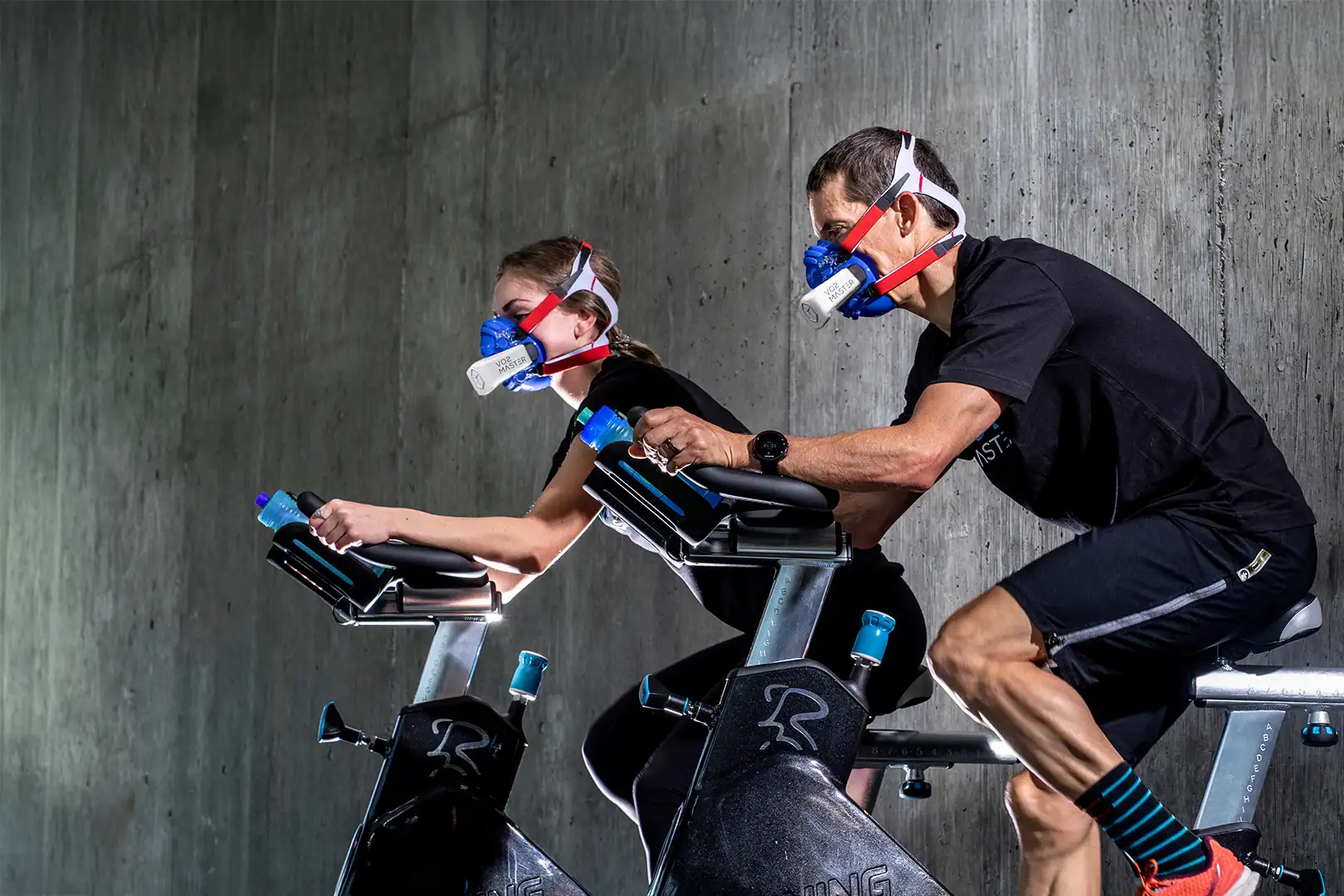
In the last decade, innovative inventions such as VO2 Master portable metabolic analyzer have opened the door for:
- Wellness clinics
- Multidisciplinary performance labs
- Gyms and fitness centers
- Physiotherapy and chiropractic practices
- Hotel spa’s and luxury health centers
Dr. Sellars notes that the ICU team at Duke University used VO2 Master to track patients recovering from severe illness. They also used the analyzer for validation studies and to test their NCAA women’s soccer and basketball team members.
Explore real-world results and applications: View VO2 Master Case Studies
Environmental & Lifestyle Factors That Influence Oxygen Efficiency
Heat, humidity, pollution, and lifestyle patterns all affect how easily people can train. While heat itself does not directly reduce oxygen efficiency, it increases physiological stress, limiting how hard someone can train outdoors.
However, Dr. Sellars notes that heat adaptation can improve performance by:
- Increasing plasma volume
- Enhancing thermoregulation
- Strengthening cardiovascular output
This is why athletes in hot climates or altitude environments often experience meaningful metabolic adaptations.
Biological Age, VO2 Max, and Metabolic Decline
VO2 max naturally declines after the early 40s. But Dr. Sellars emphasizes:
- Active individuals can maintain performance well into their 50s and 60s
- Highly trained athletes can sustain impressive VO2 max scores into their 70s
- Biological age and metabolic age follow similar trajectories
As he explains, “If someone consistently trains, sleeps well, and manages recovery, they can dramatically slow metabolic decline—even in later decades.”
VO2 Max Score Ranges for Men & Women
Dr. Sellars provides clear ranges fitness and wellness professionals can use to educate clients:
| VO2 Max (ml/kg/min) | Performance Category | Typical Profile |
|---|---|---|
| 60–70 | Excellent | Trained amateurs; competitive athletes |
| 50–60 | Good | Recreational athletes; active populations |
| 40–50 | Average | Moderately active adults |
| 20–40 | Low | Sedentary, aging, or recovering patients |
| <20 | Very low | High-risk populations; frailty concerns |
For clients focused on aging well, 50+ is a strong target—but higher is better for long-term health.
Explore how VO2 Master makes accurate VO2 max testing possible where you are, indoors or outside.
How to Improve VO2 Max Safely and Sustainably
Both experts agree: movement is the most important factor.
Top evidence-based methods include:
Daily Low-Intensity Movement
- Walking
- Cycling
- Light jogging
- Incline treadmill work
This builds aerobic capacity without stressing joints.
Strength Training
Improves force production, balance, and metabolic efficiency.
Zone Training Using Ventilatory Thresholds
Training around VT1 and VT2 improves endurance, fat utilization, and resilience.
Interval Training
Doesn’t need to be extreme.
Even simple intervals like:
2 minutes fast → 2 minutes easy
Produce significant cardiovascular benefits.

Wearables vs. Direct Gas Analysis
Dr. Abirached and Dr. Sellars openly address an increasingly common misconception: that a wearable VO2 score equals a true VO2 max.
Wearables estimate VO2 max based on:
- Heart rate
- Accelerometer data
- Predictive modeling
Direct VO2 testing measures:
- Breath-by-breath oxygen consumption
- Respiratory depth and frequency
- Ventilation efficiency
- Ventilatory thresholds
Most importantly: wearables fluctuate significantly day-to-day, proving they are estimates—not physiological measurements.
Dr. Sellars adds that many large wearable companies used VO2 Master devices to validate their algorithms years ago because of the device’s portability and accuracy. Learn about fitness and wellness devices compatible with VO2 Master.
Ventilatory Thresholds: The Hidden Value Behind the Test
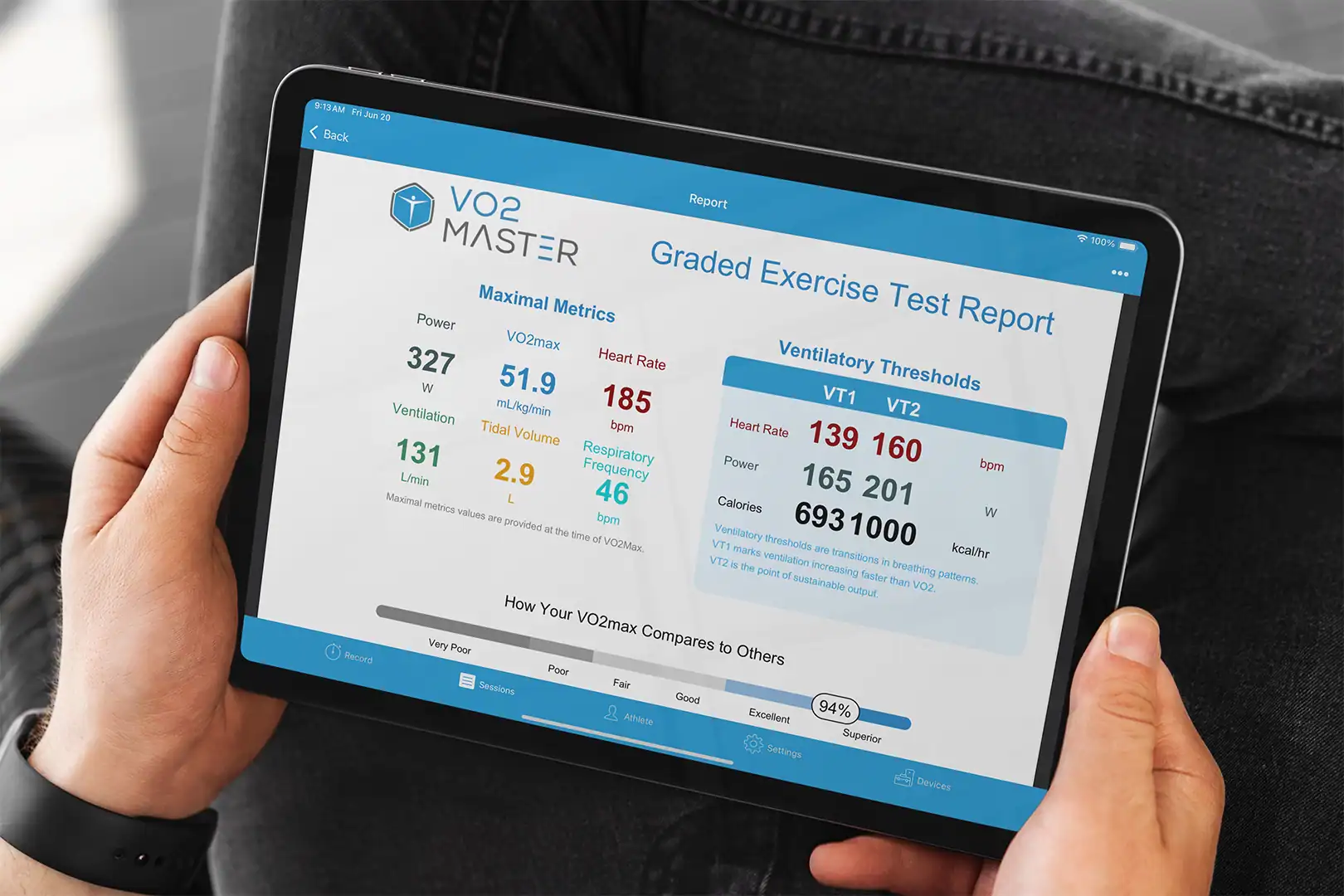
While VO2 max is important, Dr. Sellars states “the data that we get before you hit VO2 max is equally or more valuable.”
VT1:
Transition from easy to moderate, sustainable aerobic work.
Key for zone 2 training.
VT2:
Transition from sustainable to unsustainable high effort.
Key for understanding high-intensity capacity and endurance limits.
Testing with VO2 Master makes these thresholds easy to identify—empowering personalized training programs far beyond what wearables can provide. Read more about thresholds here.
Comparison Table: Wearables vs. VO2 Master
| Feature | Wearable VO2 Estimate | VO2 Master Analyzer |
|---|---|---|
| Measurement method | Predictive algorithm | Direct breath analysis |
| Accuracy | Moderate–low | High |
| Detects ventilatory thresholds | No | Yes |
| Captures breathing patterns | No | Yes |
| Works indoors/outdoors | Yes | Yes |
| Identifies Training Limiters | No | Yes |
| Used for metabolic research by Universities | Not usually | Yes |
FAQs
1. How often should VO2 max be tested?
Every 8–12 weeks is sufficient for most training programs.
Frequent testing helps track real improvement and identify stalled progress early.
If used for athletic training, it can be used frequently during training sessions to assess effectiveness of program modifications.
2. Can beginners safely perform a VO2 max test?
Yes—when supervised, asked standard health questions and using proper equipment.
Most protocols start with low intensity and progress gradually.
3. Do high VO2 max scores always mean better health?
Not always, but higher scores consistently correlate with longer health span.
Breathing patterns and thresholds provide deeper insights beyond the number itself.
4. How long does it take to improve VO2 max?
Meaningful improvements appear within 6–8 weeks of consistent training.
Higher-level changes may take longer depending on training age and recovery.
5. Are supplements effective for boosting VO2 max?
Dr. Sellars did not go into detail on supplements and commented that no supplement replaces movement. Some on the market may influence mitochondrial health, but research is limited.
6. Can environmental heat improve performance?
Heat adaptation can improve plasma volume and cardiovascular output, but only when managed carefully.
Final Thoughts
The conversation between Dr. Abirached and Dr. Sellars makes one thing clear: VO2 max is not just a fitness metric—it’s a longevity metric. and one of the strongest known predictors of longevity independent of age, weight, or chronic conditions. As such, a higher VO2 Max protects against cardiovascular disease, metabolic disorders, and functional decline. Even small improvements (5–10%) significantly improve health outcomes.
Most exciting for many health enthusiasts around the world, VO2 Max is trainable at any age, making it a powerful intervention strategy for a long and healthy life.
With advancements in portable technology, every wellness center, gym, or performance center can now measure it accurately with the VO2 Master analyzer. Ready to bring metabolic testing into your facility?
Book a demo now
Reference
Top Research Studies Showing VO2 Max Predicts Long-Term Health & Longevity
1. The Cooper Institute Longitudinal Aerobics Center Study (ACLS)
Key finding: Cardiorespiratory fitness (VO₂ Max) is one of the strongest predictors of all-cause mortality—stronger than smoking, diabetes, and hypertension.
- Studied: >80,000 adults over multiple decades
- Higher VO2 Max → 50–70% lower mortality risk
- Published in journals such as JAMA, Circulation, and NEJM
2. Kodama et al., 2009 — Meta-analysis on Cardiorespiratory Fitness & Mortality
Title: Cardiorespiratory Fitness as a Quantitative Predictor of All-Cause Mortality and Cardiovascular Events
Journal: JAMA
Key finding: Every 1 MET increase in VO2 Max (≈3.5 ml/kg/min) reduces mortality risk by 13–15%. This is one of the most cited VO₂2Max papers in the world.
3. Blair et al., 1989 & 1995 — Physical Fitness and All-Cause Mortality
Title: Physical Fitness and All-Cause Mortality in Healthy Men and Women
Journal: JAMA & Journal of the American College of Cardiology
Key finding: Low VO2 Max was associated with double the mortality risk, even after adjusting for weight, smoking, and blood pressure.
4. Laukkanen et al., 2018 — VO2 Max and Cardiovascular Mortality
Journal: Mayo Clinic Proceedings
Key finding: Increasing VO2 Max sharply lowers risk for sudden cardiac death, stroke, and heart failure.
Highly fit individuals had a five-fold reduction in cardiovascular death compared to low-fit individuals.
5. Harber et al., 2017 — VO₂2Max Decline With Age
Journal: Medicine & Science in Sports & Exercise (MSSE)
Key finding: VO₂ Max naturally declines 5–10% per decade but is highly trainable even in older adults.
Improving VO2 Max directly improves functional independence and reduces frailty risk.
6. Brawner et al., 2020 — Extreme Fitness and LongevityJournal: JAMA Network Open
Key finding: Individuals with “elite” VO₂ Max had the lowest mortality risks recorded, with no observed upper limit to benefit.
This study strongly argues that the fitter, the better, with no harmful ceiling effect.