From Garmins to Apple Watches and beyond, if you own a fitness tracker, you already know that it measures your heart rate during physical activity. Using this information, you can use your five training zones to dial in your workouts.
But what you might not realize is that heart rate data only tells a small piece of the story. When you pair heart rate with deeper data about exactly what your body is doing, your zone training can give you the best chance of reaching your fitness goals in the shortest amount of time.
Whether you’re looking to lose weight, improve your strength training, prepare for a race, or simply achieve your highest athletic potential, you can use zone training to:
- Establish your baselines
- Tailor your training to achieve your desired results
- Track your progress over time
In this resource, we’ll explore the fundamentals of zone training, discuss the benefits of determining your optimal training intensities based on your unique physiology, and explain how you can attain deeper and more meaningful insights.
Table of Contents
The Basics of Zone Training
From a physiological perspective, your five training zones measure the intensity at which your body is using its aerobic metabolism system to produce energy from fat and glycogen.
In simple terms, this means that your body responds and performs differently at various rates of exertion.
By measuring your own training zones, you can tailor your training routine to ensure you’re triggering the right physiological responses to create the outcomes you’re after.
Ranging from Zone 1 (the lowest intensity) to Zone 5 (the highest intensity), it’s important to understand that your training zones are uniquely your own. They can vary based on factors like fitness level, age, and genetics.
So, while the traditional method of measuring your heart rate is a good start for defining your training zones, it’s important to also attain additional data, such as your VO2 Max and mechanical output in terms of power and speed, through other methods.
The 5 Training Zones Defined

If you’re considering incorporating zone training into your fitness routine, it’s important to understand what each of them entails.
Here is a quick reference for all five zones before we go deeper: Note that the ranges provided are general guidelines and some individuals may fall outside these ranges. This is why it is so important to conduct a baseline test with VO2 Master so you can apply individualized training zones.
| Zone | Name | % Max HR | Talk Test | Main Fuel | Primary Benefit |
| 1 | Very light exercise | 50-60% | Full conversation, very easy | Fat (>90%) | Active recovery, blood flow |
| 2 | Light exercise | 60-70% | Comfortable, full sentences | Fat (70-90%) | Aerobic engine, fat metabolism |
| 3 | Moderate | 70-80% | Noticeably hard, short sentences | Mixed ~50/50 | Lactate clearance, aerobic power/tempo |
| 4 | Hard/Threshold | 80-90% | Hard, a few words at a time | Carbs dominant | Raise lactate threshold |
| 5 | Maximum | 90-100% | All-out, cannot speak | Carbs (>90%) | Max oxygen uptake, top-end speed, anaerobic |
**Training zone HR ranges overlap due to individual differences in the location of thresholds relative to max. Elite athlete values may differ, with the thresholds located at a higher % of maxmimum. For accurate, individualized training zones, perform a graded exercise test with VO2 Master.
Zone 1: Very Light (50-60% of Max HR)
When you’re in Zone 1, it should feel comfortable and light. You should be able to easily hold a conversation and maintain this intensity for long periods of time.
This zone is often used for warm-ups and cool-downs since it enhances blood circulation and aids in active recovery.
Physiological Effects of Training in Zone 1
In this zone, your body is burning primarily fat to produce energy, making it an optimal way to reduce or maintain body weight.
Zone 1 is primarily utilized as a light recovery intensity. Exercising in zone 1 is frequently done by athletes who have heavy training loads and need to recover rapidly. Increasing bloodflow without increasing fatigue is a good method to optimize recovery.
Zone 2: Light (60-70% of Max HR)
In Zone 2, you’ll notice the intensity is slightly higher, but you’ll still feel relatively comfortable and you should be able to sustain this level of exercise for extended periods of time. You’ll still be able to maintain a conversation, but it will take a bit more effort.
Physiological Effects of Training in Zone 2
In this zone, your body is still primarily burning fat for energy production.
Zone 2 training decreases insulin resistance and increases your body’s ability to transport oxygen to your muscles.
Zone 2 training is critical to optimize the strength and pumping capacity of your heart, other wise known as stroke volume. Training at this intensity also builds:
Mitochodria size and density in slow twitch fibers – essential for recovery and resilience
Capilary density – essential for blood flow to working muscles
Metabolic flexibility – over time, we become more efficient at storing glycogen from carbohydrates and utilizing fats for fuel at higher intensities.
We create the pathways through which lactate can be shuttled between muscles and out of muscles to either by oxidized or converted into energy.
Zone 3: Moderate (70-80% of Max HR)
When you break into Zone 3, you’ll be at a pace that feels noticeably exerting but still sustainable. Consider this a moderate level where it would be challenging to maintain a conversation.
Physiological Effects of Training in Zone 3
Zone 3 is often described as a ‘grey zone’ as it is harder than zone 2 while not delivering additional physical adaptations. However, zone 3 is often the intensity at which long distance endurance competitions occur at, and athletes who compete in long distance endurance events, such as ironman, will spend considerable time training at their zone 3 pace.
In Zone 3 and beyond, your body begins shifting toward burning predominately carbohydrates to produce energy
Zone 4: Hard (80-90% of Max HR)
Training in Zone 4 will make you acutely aware that you’re pushing your limits and working close to your maximum capacity. It would be difficult to maintain a conversation at this level of intensity.
Physiological Effects of Training in Zone 4
A zone 4 pace is considered ‘sustainable with difficulty’. Endurance athletes will often perform intervals at this intensity to improve their sustainable top end speed or watts. This is measured by improvements in both VT2 and the lactate threshold. Doing so can improve race performance. This is also called threshold training. By doing these types of workouts (e.g. 10 mins hard/sustained, 5 mins easy, 10 mins hard/sustained) we can sustain higher intensities for longer and ultimately improve endurance performance.
Zone 5: Maximum (90-100% of Max HR)
This is an all-out effort level, sustainable for only short bursts, up to 5 mins in duration. When you’re in Zone 5, you’re at your absolute limits.
Physiological Effects of Training in Zone 5
Training in this zone can improve:
Your VO2 max
Your ability to tolerate metabolic by products (e.g. hydrogen ion) by increasing buffering capacity
Your performance at high intensity – events lasting 30 seconds-5 mins
High intensity interval training is a potent lever to make significant improvements in a short period of time. However, in order to train at this intensity, it is critical to balance training with recovery. While highly training athletes may do 3+ HIIT sessions per week, most individuals can benefit from doing less than this.
How to Calculate Your 5 Training Zones Using Personalized, and Accurate Physiological Data
While using generic formulas based on % of maximum heart rate is simple, , it’s not particularly accurate. Your training zones are uniquely your own, they are rooted in your own specific physiology and can vary based on your fitness level, age, and genetics.
With that in mind, it’s wise to calculate them based on a wide range of data points, including your:
- Heart rate: The number of times your heart beats per minute as an indicator of exercise intensity and cardiovascular conditioning.
- VO2 Max: The maximum amount of oxygen you can utilize during intense exercise, often used as a measure of aerobic fitness.
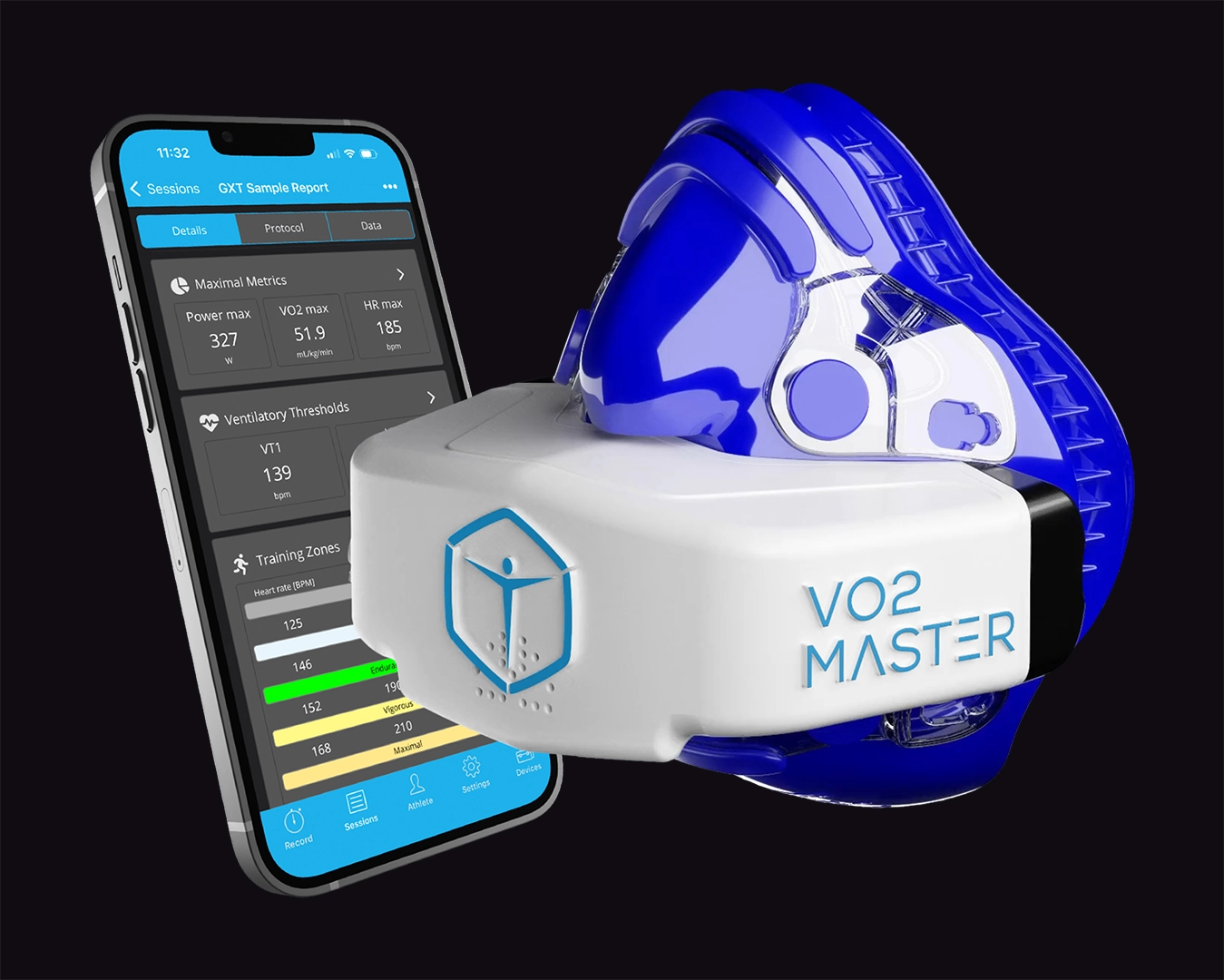
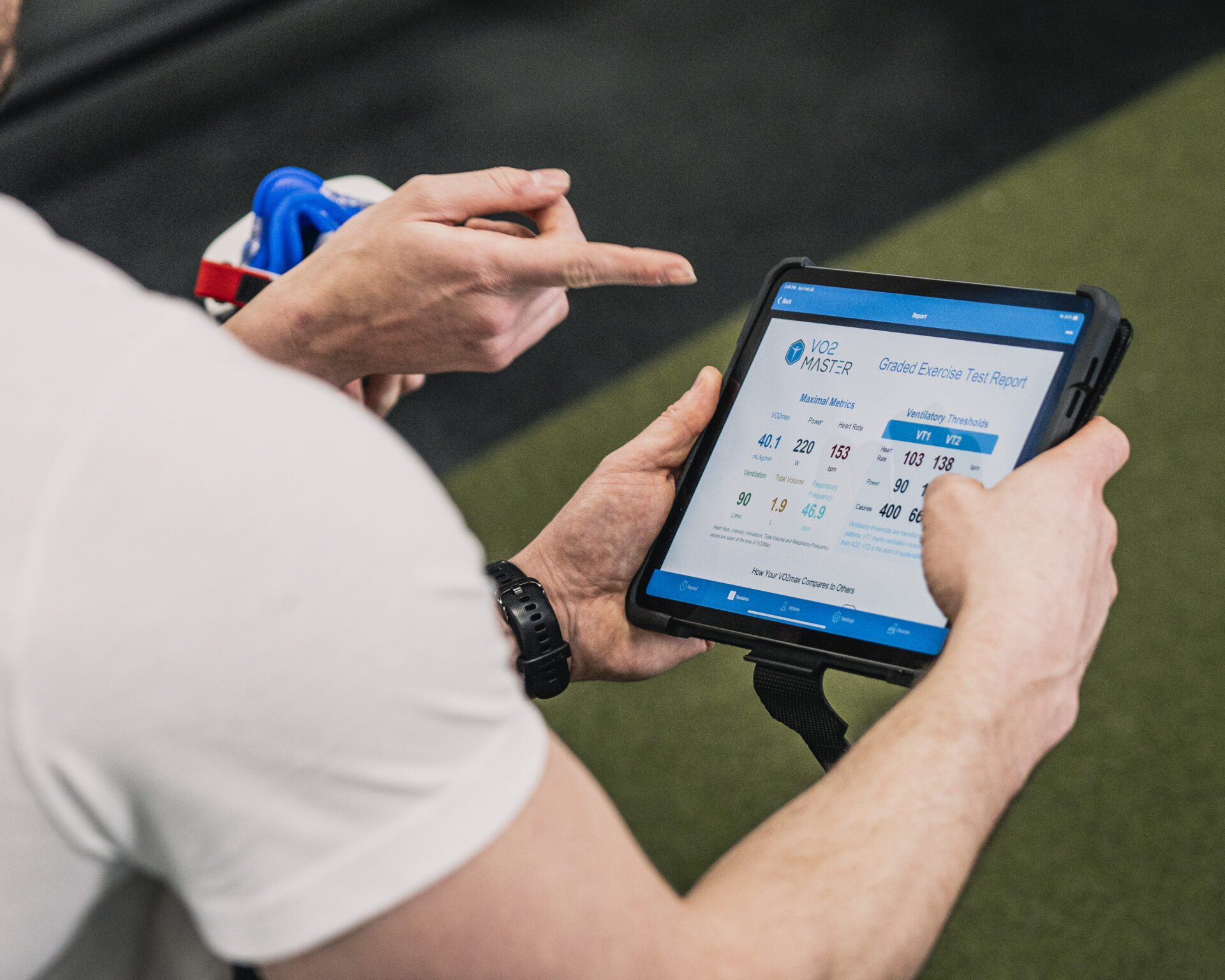
- Ventilatory thresholds: Training zones should be calculated using individual ventilatory thresholds which are measured during a VO2 Max test. The thresholds can then be applied to training zone calculations:
Zone 1: <90% of VT1 corresponding HR, speed/watts and VO2.
Zone 2: 90-100% of VT1 corresponding HR, speed/watts and VO2.
Zone 3: between zones 2 and 4
Zone 4: 95-100% of VT2 corresponding HR, speed/watts and VO2.
Zone 5: >100% of VT2 corresponding HR, speed/watts and VO2.
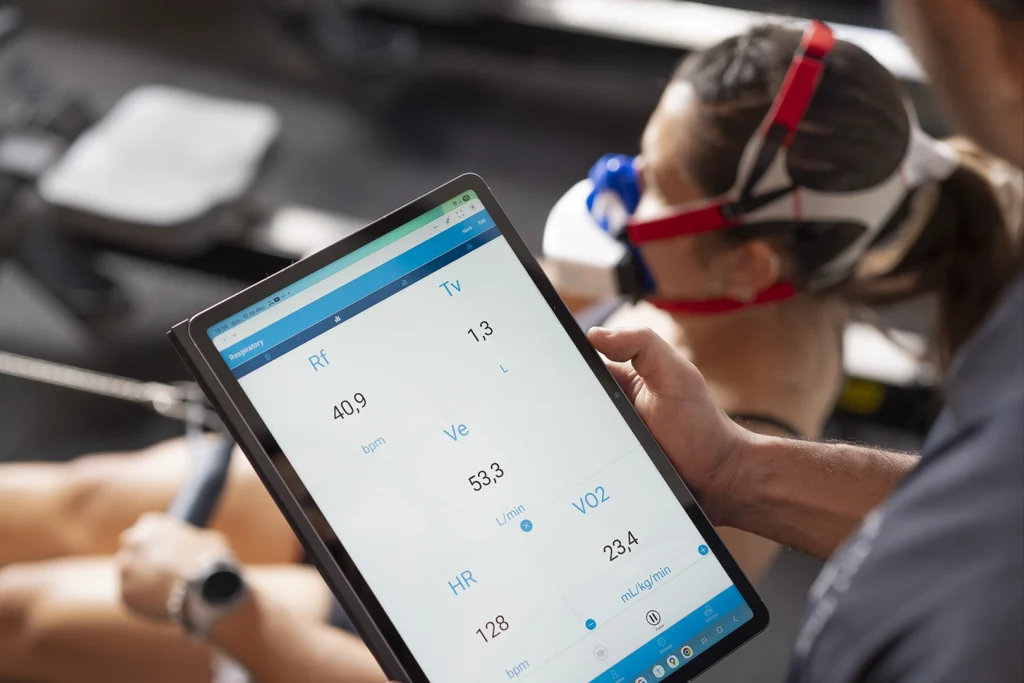
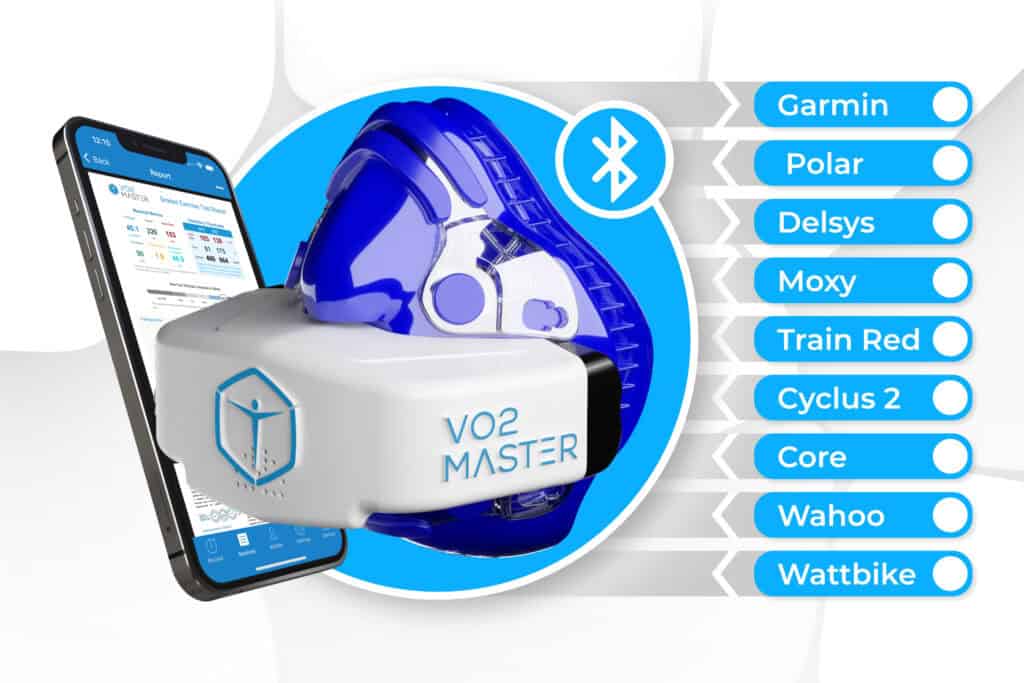
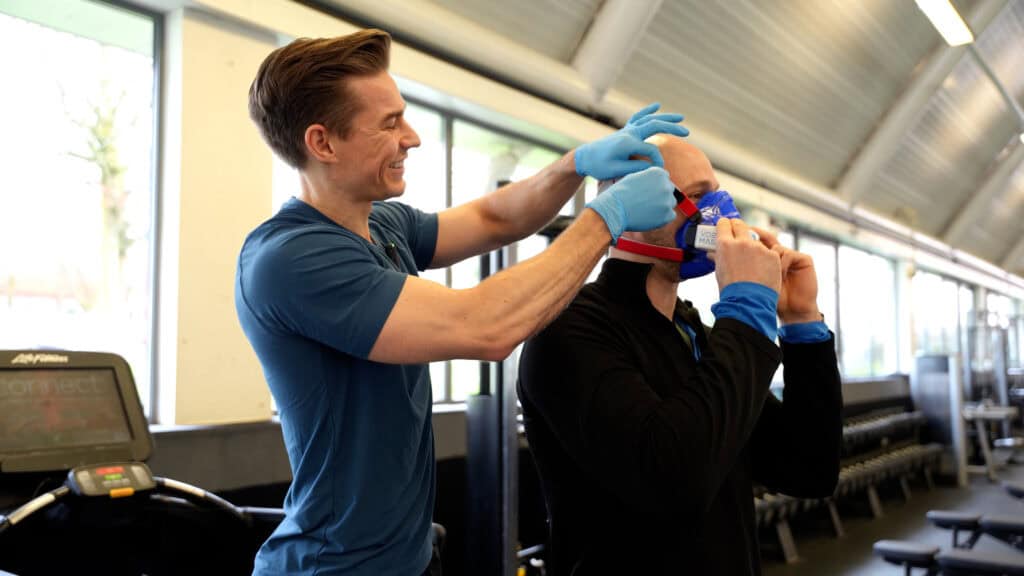
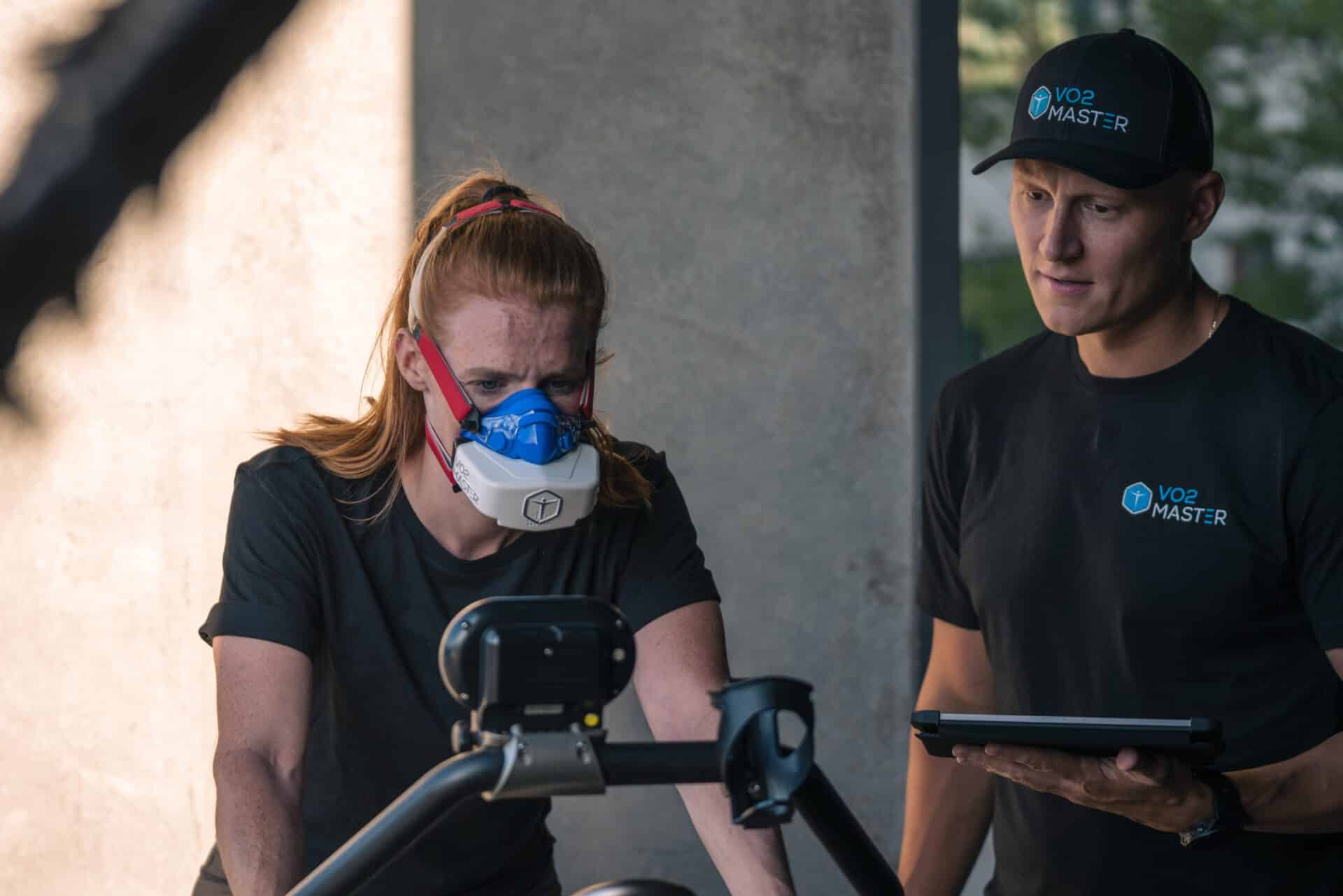
Using a tool like VO2 Master paired with auxiliary sensors such as the Polar H10 heart rate monitor, allows you to collect accurate, reliable, and actionable data that tells you exactly How your body is responding during testing.
Staying’in zone’ during training or exercise is critical. This allows you to be efficient with your energy. Going harder does not necessarily equal better results. Effective training means finding the balance between hard, moderate and easy sessions for optimal adaptations to occur. Those who apply zone training correctly are likely to recover more effectively and have more energy for high intensity sessions.ly and–ultimately–have the best chance of reaching your fitness goals in the shortest amount of time.
Real example: Claire, a 38 year old competitive runner, had been using auto-calculated HR zones from her watch. Her watch told her that her zone 2 heart rate should be 140-151 beats per minute. Claire applied this,yet found it hard to sustain this pace comfortably and often felt drained following her zone 2 training sessions. Following a VO2 max test, she learned that her individual zone 2 intensity was 122-136 beats per minute, based on the location of her first ventilatory threshold. Claire now strictly maintains a pace corresponding with that heart rate zone during training. She reports that the pace was much more sustainable, an RPE of 3-4, and she reported better recovery and higher energy.
Get your VO2 tested at a location near you
The Benefits of Training Based on Your 5 Zones
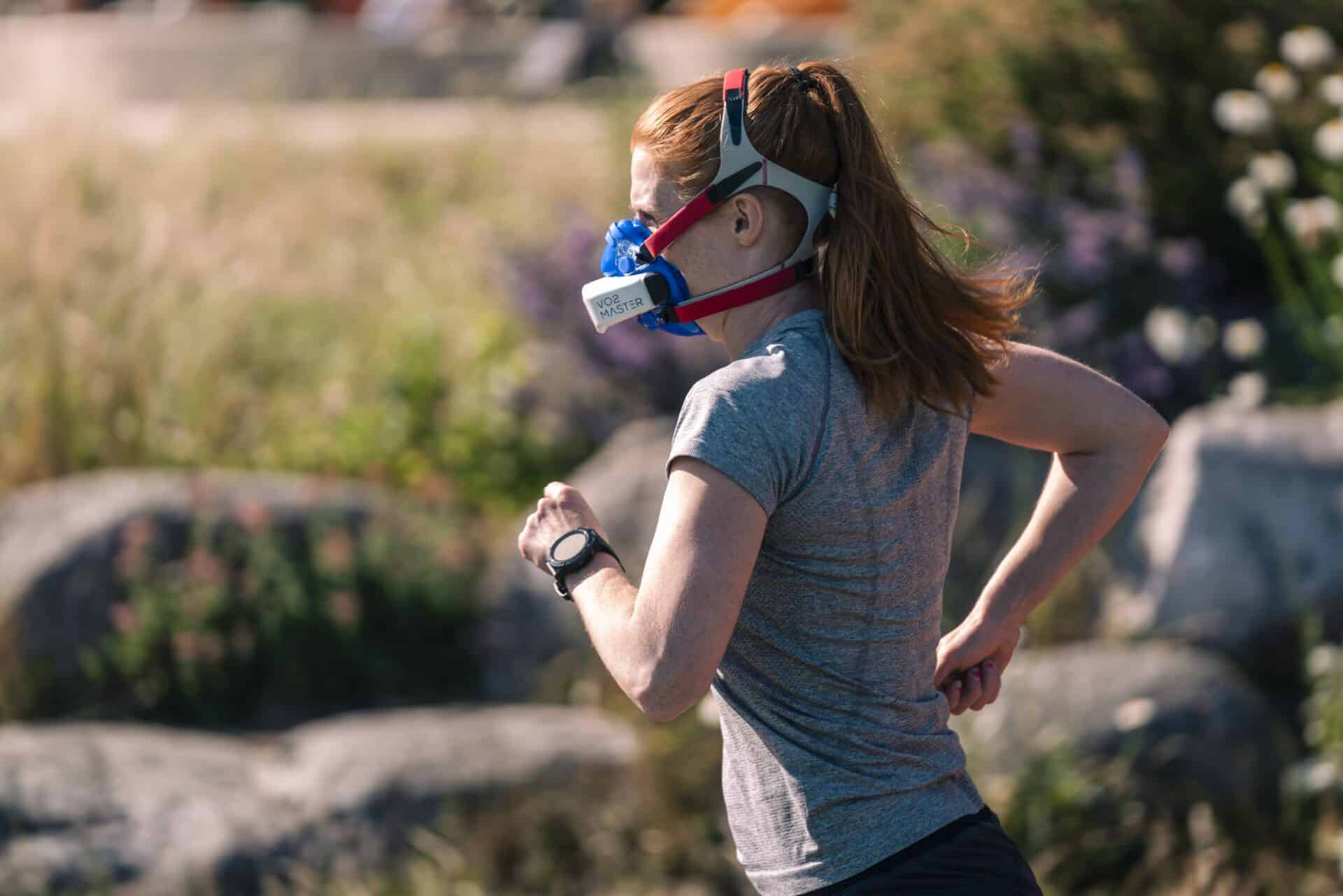
Training based on your five training zones is a more personalized way to work out since it’s based on your own personal physiology and can be tweaked to achieve your own unique goals.
Having established training zones makes it easier to stay at your desired effort levels during a training session–it can help you avoid overtraining and can also help you ensure you’re working hard enough to get the desired results.
For athletes, it can improve cardiac output, increase VO2 Max, and boost athletic performance. For longevity enthusiasts it can improve overall cardiovascular health and well-being.
Training based on your five training zones offers a structured approach to exercise that targets different aspects of health and performance.
Who Can Use Training Zones Effectively?

No matter where you are in your fitness journey or what your goals might be, training using your five training zones can be an effective strategy for you.
Beginners
Training based on your training zones can offer you a structured and gradual approach to exercise intensity. It helps beginners ease into workouts without risking overexertion. Starting in the lower zones allows newcomers to build a solid fitness foundation while minimizing the risks of overtraining.
Weight Management
If you’re looking to manage your weight, you can benefit from tapping into your training zones. Zones1, 2 and 3, focus on aerobic endurance and fat metabolism, and are particularly useful for burning calories efficiently and supporting weight loss goals.
Endurance Athletes
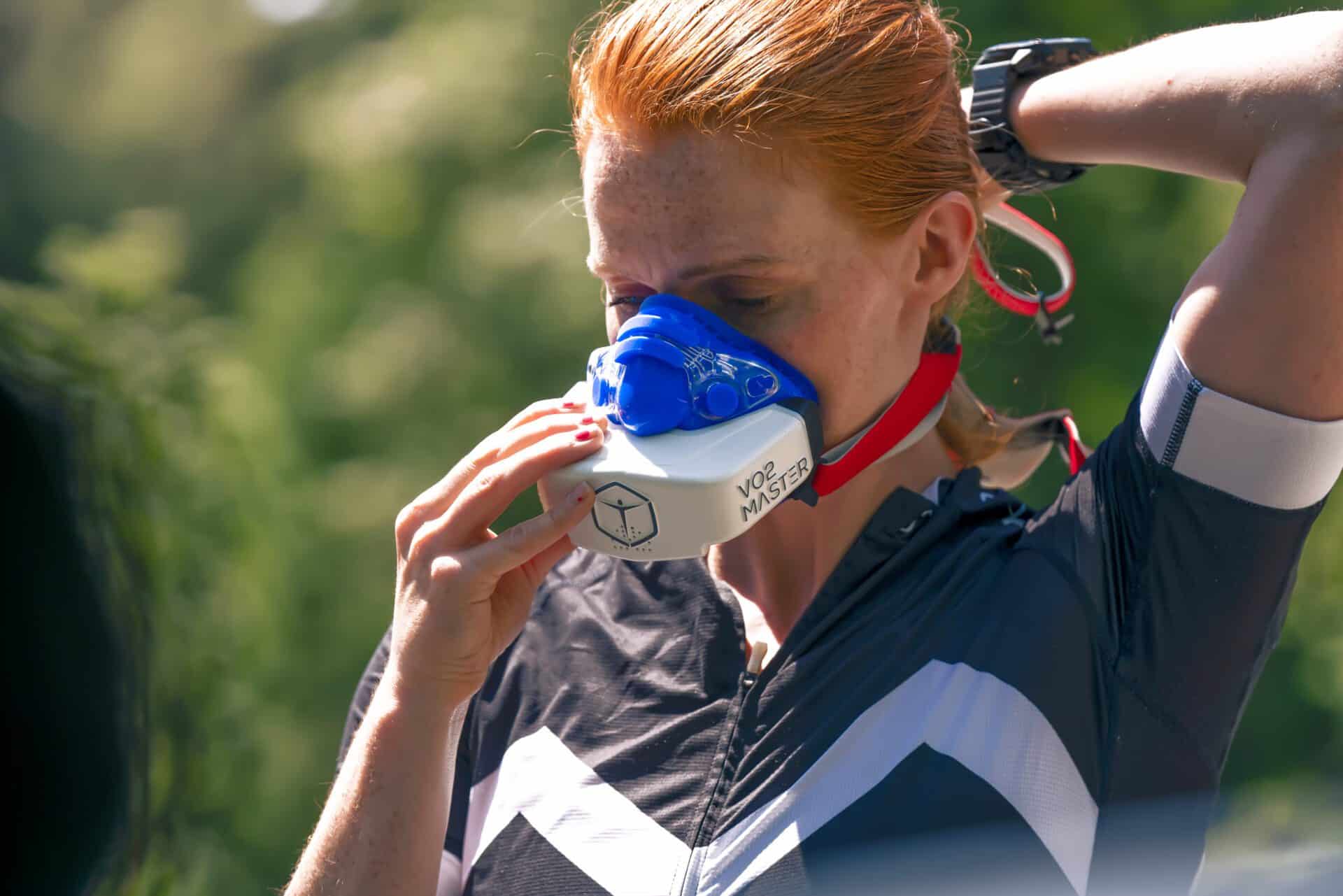
Long-distance runners, cyclists, swimmers, and other endurance athletes can enhance their aerobic capacity by training in zones 2 and 3. These zones build the foundation for sustained effort over extended periods, improving race performance.
High-Intensity Athletes
Athletes in sports requiring bursts of power and speed, such as sprinters, or cyclists, tennis players, or interval trainers, can benefit from zones 4 and 5 training. These zones improve anaerobic capacity which is essential for explosive movements and high-intensity efforts.
Strength Training Athletes
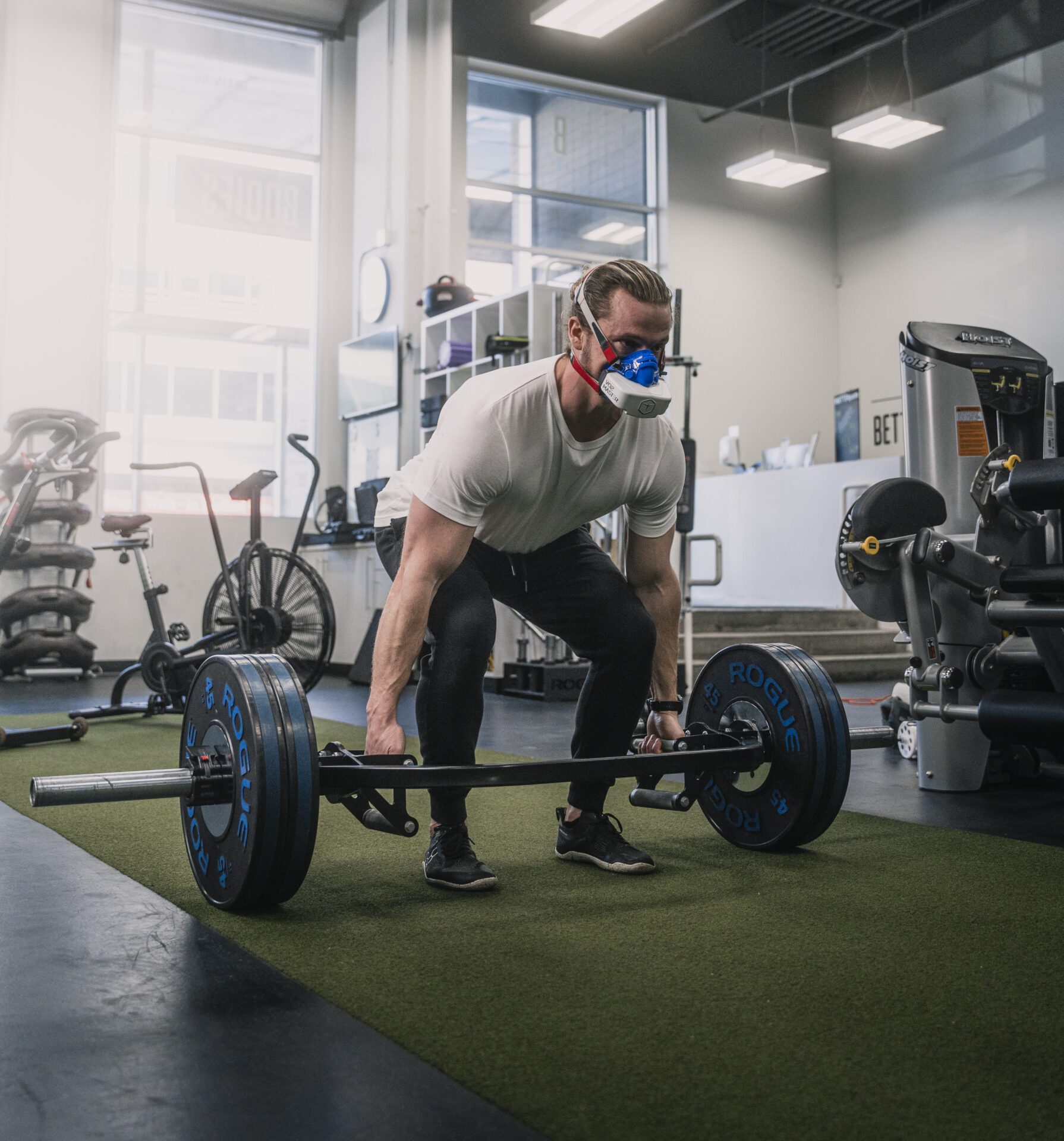
Zone training is suitable for those looking to improve their ventilatory threshold, which is the point at which lactic acid accumulation causes muscle fatigue. Zone 3 training specifically targets this aspect of fitness.
Fitness Enthusiasts with Varied Goals
Zone training allows individuals with different fitness goals to structure their workouts effectively. You can combine zones based on your specific goals, whether they include weight management, endurance improvement, or overall fitness enhancement.
Common Misconceptions About Training Based on Your Five Training Zones
There are a few common misconceptions about training based on your five training zones, and it’s important to avoid them.
Misconception: There is a One-Size-Fits-All Max HR Formula
Many people rely on the standard formula of 220 minus age to calculate their maximum heart rate. However, this formula doesn’t account for individual variations in fitness, genetics, and other factors that can influence your actual max heart rate. Using this formula exclusively can lead to inaccurate training zones.
Instead, it’s wise to use tools like the VO2 Master Analyzer to give you precise data about your physiology paired with auxiliary training devices like Polar HRMs, Garmins, or Apple Watches that can make it simple to measure your training zones and then track your progress over time.
Learn more about Wearables vs VO2 Testing
Misconception: Lower Heart Rates Indicate Poor Results
As you would with any form of training, tracking your training zones over time is essential to understanding your improvement.
Why?
Because your training zones will change over time.
Contrary to popular belief, your goal shouldn’t be to progressively hit higher heart rates. Instead, you actually want to see your heart rate go down during similar activities over the course of a few months.
That’s because your heart pumps oxygen-filled blood throughout your body while you’re exercising. The stronger your heart, the more blood it pumps with each beat. This means that, as you become fitter and your heart gets stronger, it won’t have to beat as often to circulate sufficient volumes of blood through your body to fuel your workout.
This is where multiple data points come into play: in order to truly understand your improvement, you need to examine multiple different facets of your training. Over time, you can measure improvements in your fitness through decreases in your heart rate during similar activities while tracking increases in your power, speed, and VO2 Max.
Misconception: All Training Must Be in the Highest Zones in Order to be Effective
While it might feel like training at the highest intensity–in Zones 4 or 5–is the fastest way to get results, this isn’t the case. While high-intensity training is important, a balanced approach that includes lower-intensity zones is necessary for overall fitness, recovery, and injury prevention.
Misconception: Only Elite Athletes Benefit from Using Zone Training
The benefits of zone training are not limited to elite athletes. It is a versatile approach suitable for people at various fitness levels with diverse goals, from weight management to improving cardiovascular health.
Misconception: You Can Ignore What Your Body is Telling You and Adhere Only to Your Training Zones
It’s important to remember that, while zone training provides guidance, your body’s signals are valuable too. If you’re feeling excessively fatigued, it’s okay to adjust your training intensity, even if it doesn’t align with your planned zone.
No matter your fitness or training goals, understanding and leveraging your five training zones can help you stay on track and ensure you’re doing exactly what you need during your workouts to get where you’re trying to go–without doing too much or too little.
Get your VO2 tested at a location near you
Frequently Asked Questions
How do I know if I’m training in the right zone?
The talk test is the simplest check. Zone 1-2: full comfortable sentences. Zone 3: short sentences only. Zone 4: a few words. Zone 5: no talking. If your Zone 2 effort does not feel conversational, your zones may be set too high.
Are my running and cycling zones the same?
No. Running typically produces higher heart rates than cycling for the same effort because more muscle mass is engaged..
How often should I update my training zones?
At minimum every 6-12 months, or at the start of a new training block. As your fitness improves, your ventilatory thresholds will shift. Zones that were accurate a year ago may now underestimate your capacity.
Is a VO2 test worth it compared to using a formula?
Yes. A VO2 test identifies your actual VT1 and VT2, giving you zones built on your physiology rather than an estimate.. The difference between training at the right Zone 2 ceiling versus the wrong one compounds over months of training.