Turn the January fitness rush into an opportunity to measure meaningful baselines, personalize training and create a premium assessment service clients can return to throughout the year.
January brings a surge of people ready to improve their health and fitness. The question for fitness and wellness businesses is: what will optimize their outcomes and overall satisfaction?
For facilities considering metabolic testing, the opportunity goes beyond adding another test. VO2 Max, submax and Resting Metabolic Rate (RMR) can give fitness professionals objective baseline data they can use to personalize programs, establish measurable goals and assess change when clients return for testing.
Table of Contents
January Clients Want More Than a Workout Plan
Every January, fitness facilities welcome people with ambitious goals.
Get fitter. Lose weight. Improve endurance. Have more energy. Train for a race. Take health more seriously.
The challenge is that these goals are difficult to measure and evaluate without a precise starting point.
A traditional fitness consultation can establish goals and training history. Adding objective assessment gives coaches another layer of information: where is this person starting physiologically?
That distinction is becoming increasingly relevant as consumers become accustomed to seeing data about their health and fitness every day.
Wearable technology is the number one fitness trend in ACSM’s 2026 Worldwide Survey of Fitness Trends. Rock Health’s 2025 Consumer Adoption Survey found that 46% of U.S. adults reported owning a wearable, while 83% of wearable owners used their devices at least five days per week. Pew’s February 2026 survey separately found 37% of U.S. adults own a smartwatch.
Anotherwords, people are already arriving at gyms with data.
The opportunity for fitness and health professionals is to help them understand which numbers matter and add directly measured physiological data where it can improve decision-making and outcomes.
Start With an Accurate Baseline, Not an Estimate
A high-value assessment should answer practical questions.
How aerobically fit is this client today? At what intensities does their physiology begin to change? What training intensities are appropriate? How much energy do they expend at rest?
This is where VO2 Max, submax and resting metabolic rate testing can complement the information already collected during an assessment.
VO2 Max
VO2 Max is the maximum amount of oxygen the body can take in, transport and use during intense exercise.
Direct metabolic testing measures oxygen consumption breath by breath while the client completes an exercise protocol.
For fitness professionals, VO2 Max provides an objective measure of aerobic capacity that can become both a baseline and a metric for future comparison.
Learn how metabolic testing can become part of your growth strategy.
Ventilatory thresholds
VO2 Max is only part of the picture.
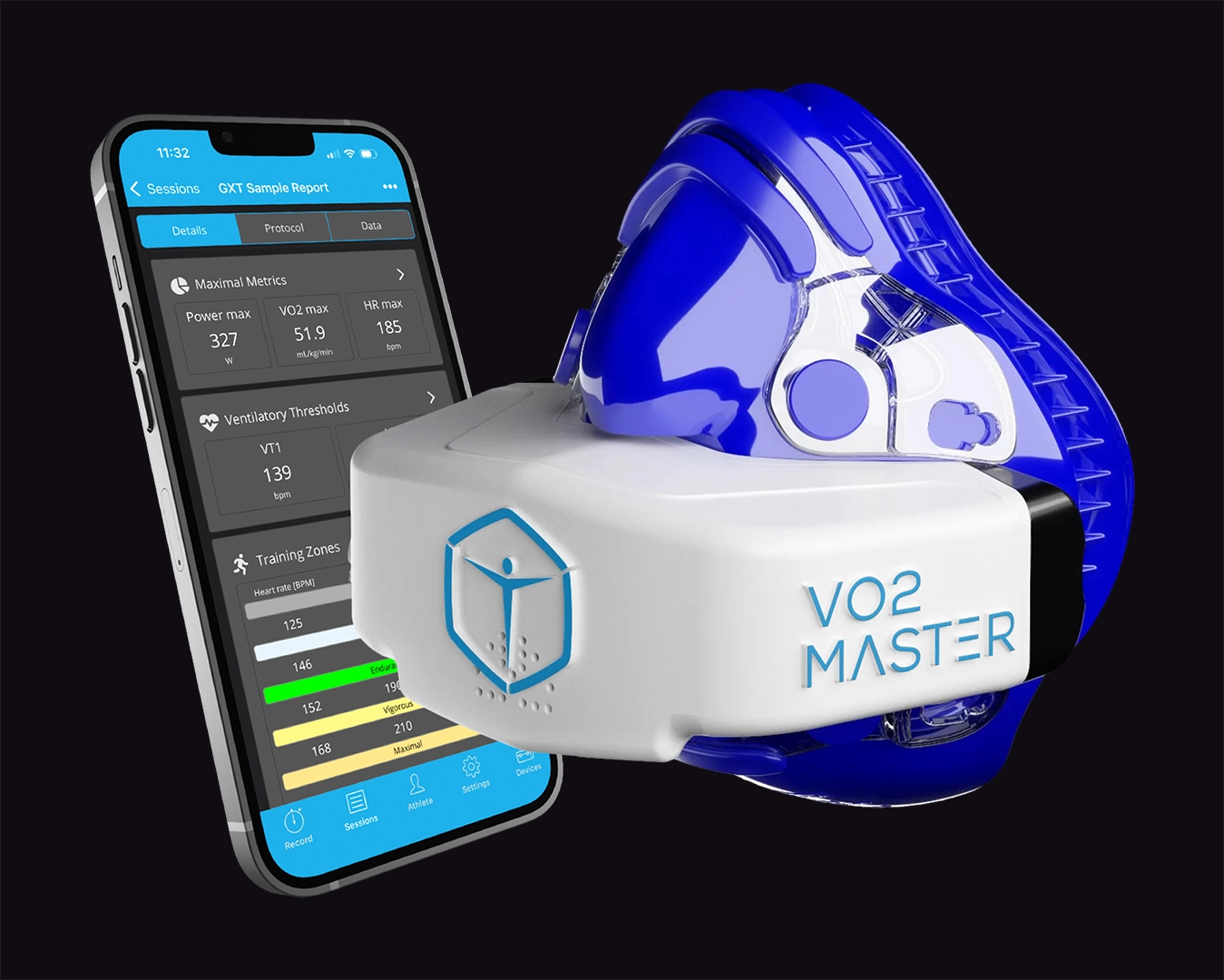
Ventilatory thresholds help identify important changes in a person’s physiological response as exercise intensity increases.
VT1 represents the first ventilatory threshold. VT2 occurs at a higher exercise intensity and is associated with a more pronounced increase in ventilation.
Identifying these thresholds can help coaches establish individualized training zones rather than relying only on generalized percentages or population formulas.
Resting Metabolic Rate
RMR measures the amount of energy the body expends while at rest.
Rather than relying on an equation based on variables such as age, sex, height and weight, metabolic testing can directly measure an individual’s resting energy expenditure.
For fitness and wellness professionals, RMR can add another objective data point to an assessment and support more individualized conversations around energy requirements.
Together, VO2 Max, ventilatory thresholds and RMR move the conversation from:
“Here’s what we think your numbers might be.”
to:
“Here’s what we measured today and we can track over the long-term.”
See why measuring RMR matters
Turn “Get Fit” Into Measurable Goals
New Year’s resolutions often fail one basic test: they are difficult to measure.
“Improve my fitness” is a direction, not a baseline.
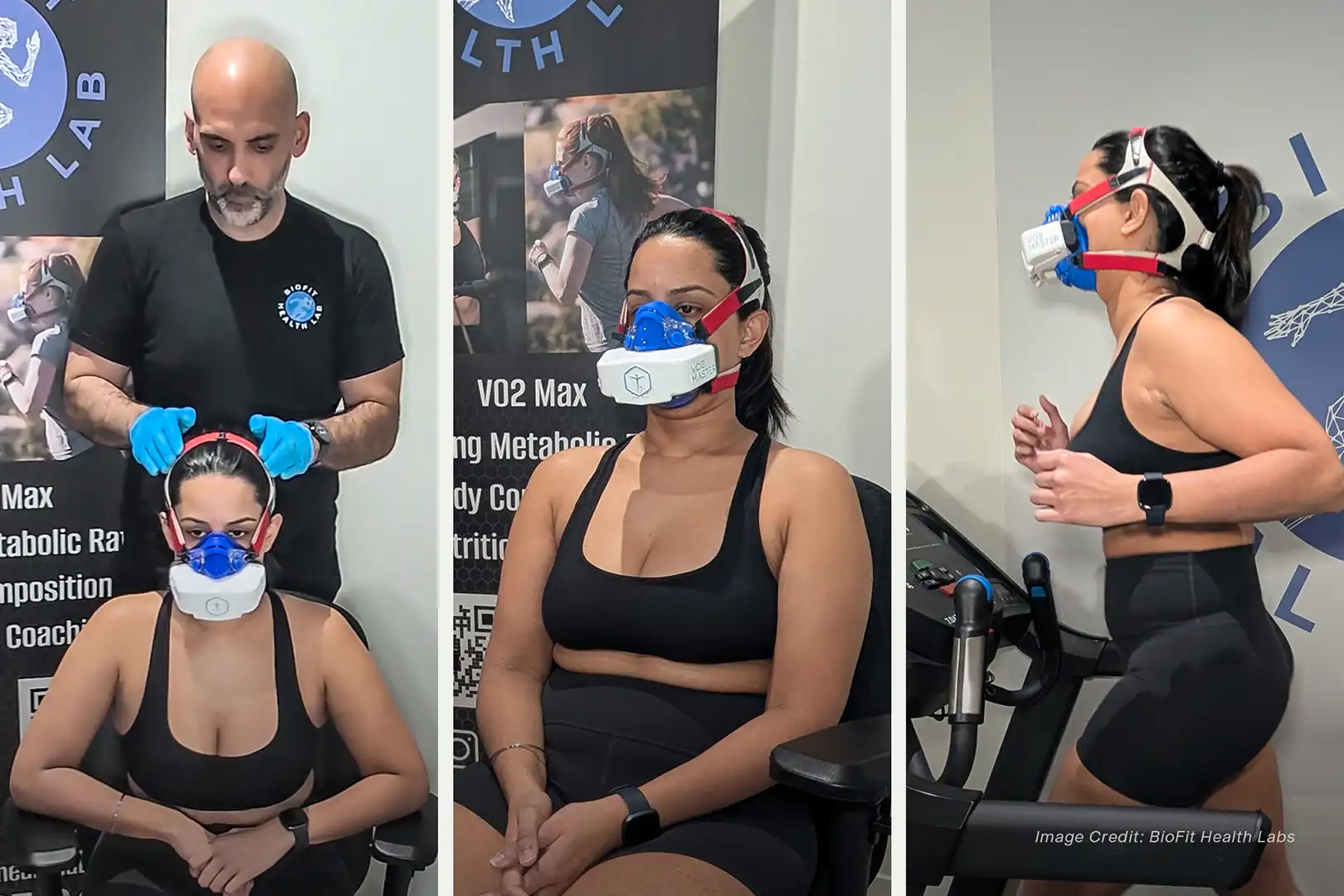
A metabolic assessment can turn a broad goal into a set of measurable starting points.
Depending on the client and scope of practice, an initial assessment might establish:
- VO2 Max
- VT1 and VT2
- Individualized heart rate training zones
- Pace or power at relevant thresholds
- RMR
The coach now has something much more useful than a January resolution.
They have a January baseline.
Training can then be designed around the individual, and future testing can ask a much better question than, “Do you feel fitter?”
What changed?
Wearables Created the Data-Driven Consumer. Professional Testing Can Take Them Further.
Wearables have changed fitness.
Clients can see heart rate, steps, sleep, estimated calories, training load and numerous other metrics without ever entering a fitness facility.
That is not a threat to fitness professionals. It creates an opportunity.
Wearables have helped teach consumers to value data. Professional testing can help put selected metrics into context and add direct physiological measurements that consumer devices estimate like VO2.
Measurement and estimation are not the same thing
Wearables can be very useful for monitoring daily activity and trends, and great motivators. But different metrics have different levels of accuracy, and many are calculated using algorithms using population averages data rather than being directly measured. Direct measurement matters for metabolic metrics because individual physiology can vary considerably, and population-based estimates may not accurately reflect the individual’sphysiology.
A 2024 umbrella review evaluating systematic reviews of consumer wearable technologies published in Sports Medicine found that accuracy varied considerably by metric. For aerobic capacity specifically, the review reported significant overestimation of metabolic metrics such as VO2 (10%) and underestimation of energy expenditure (15-21%) in wearable assessments.1
That distinction gives fitness professionals an important role for long term outcomes.
It can be:
Wearables for ongoing daily monitoring. Direct metabolic testing for precise assessment, personalized goal setting and planning, and tracking fitness progress over the long term.
A client can continue wearing their Garmin, Apple Watch, WHOOP, Fitbit or other device every day. A professional VO2 assessment can give the coach and client a directly measured reference point to anchor that ongoing data.
“The individual’s own training and testing data is the only reference point that actually matters for them.”
Upside Strength Coach, Sean Seale
| Consumer wearable | Professional metabolic assessment |
| Designed for continuous everyday use | Conducted periodically according to goals |
| Excellent for collecting ongoing trends | Establishes detailed physiological baselines |
| Many advanced metrics are algorithmically estimated | Measures directly breath by breath |
| Client interprets much of the data independently | Fitness professional provides report and consultation |
| Useful between assessments | Useful for baseline testing and structured retesting after training program modifications |
Discover why VO2 estimates from consumer devices can differ from directly measured values and what that means for fitness assessment.
January is the Baseline, Retesting Demonstrates the Progress
This may be one of the biggest business opportunities created by metabolic testing for gyms.
January can be the beginning of a client journey with insights not available to the public in the past when metabolic testing was lab and hospital based.
Test
Establish VO2 Max, ventilatory thresholds, training zones and other relevant baseline measurements.
Personalize
Use the results, alongside the client’s goals, training history and other assessments, to inform training modifications.
Train
The client follows their individualized program while the coach monitors progress and adjusts training where appropriate.
Retest
Bring the client back after an appropriate training period depending on the program and objective.
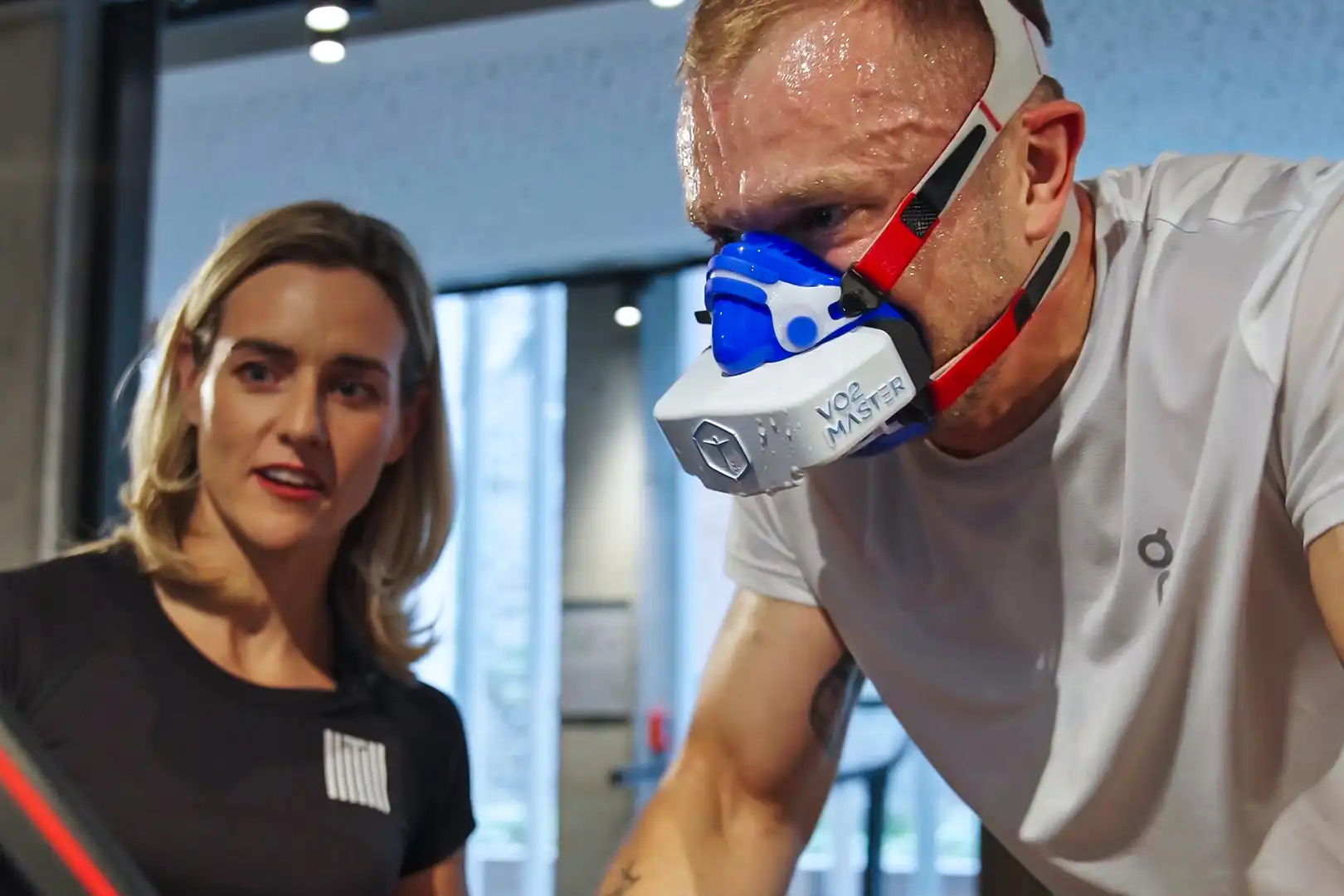
Compare the new assessment with the baseline. The client can now see whether relevant physiological measures changed based on their own numbers, not a population average. That creates a very different coaching conversation.
Instead of relying solely on scale weight, appearance, workout performance or how the client feels, the coach has an objective way to discuss progress.
It also creates a natural reason for the client to return.
January assessment → personalized program → spring retest → reflect on results → update goals and training program
For the business, this can turn a test into a recurring service and create additional touchpoints throughout the client relationship.
Ready to add metabolic testing to your facility?
Shop VO2 Master to explore portable metabolic testing for your business, or Book a Demo to see how VO2 and RMR testing can fit into your existing assessment workflow.
Create a Premium Metabolic Assessment
There is no single way to package metabolic testing for wellness centers or gyms.
The right service depends on your clientele, staff expertise, existing equipment and business model.
VO2 Max assessment
Offer a standalone VO2 Max assessment with a structured test, results review and report.
This can work particularly well for athletes, performance-focused clients and people who want an objective measure of aerobic fitness. Add submax testing for endurance athletes so they can learn their ideal race pace for training and have performance limiters identified.
VO2 Max plus RMR
Combine exercise and resting metabolic assessments to provide information about both aerobic fitness and resting caloric use and balance.
This can broaden the service beyond performance-focused clients to longevity and wellness, executive health and first responder annual testing.
VO2 Max plus RMR plus body composition
Facilities already offering DEXA, or another body-composition assessment can combine structural and physiological information.
Body composition helps answer: What is the body made of?
Metabolic testing helps answer: How does the body function during exercise and at rest?
Together, these assessments can create a more comprehensive client experience.
Comprehensive fitness or longevity assessment
Wellness centers, executive health facilities and longevity-focused businesses can integrate metabolic testing alongside appropriate assessments such as:
- Strength and power testing
- Movement assessments
- Blood pressure and cardiovascular measures
- Body composition
- Appropriate laboratory biomarkers
The objective is not to collect as many numbers as possible.
It is to select measurements that help professionals establish a useful baseline and turn the results into meaningful recommendations within their scope of practice.
Explore how metabolic testing can be packaged into valuable services that align with your clients, staff, and business model
What Facilities Should Put in Place Before January
Buying an analyzer in January and figuring out the service afterward can miss the New Year rush of enthusiasm and a successful metabolic testing business requires more than equipment.
November and December are the time to build the knowledge and workflow.
Define the service
Decide exactly what clients will receive.
Will you offer VO2 Max only? VO2 Max plus RMR? A complete fitness assessment?
Make the deliverable clear before you determine the price.
Establish pricing
Price the assessment based on the complete service, not simply the time a client spends performing the test.
Consider staff time, equipment costs, consumables and the value of consultation.
Also decide whether retesting will be sold separately, bundled into training packages or included in a premium membership.
Train your team
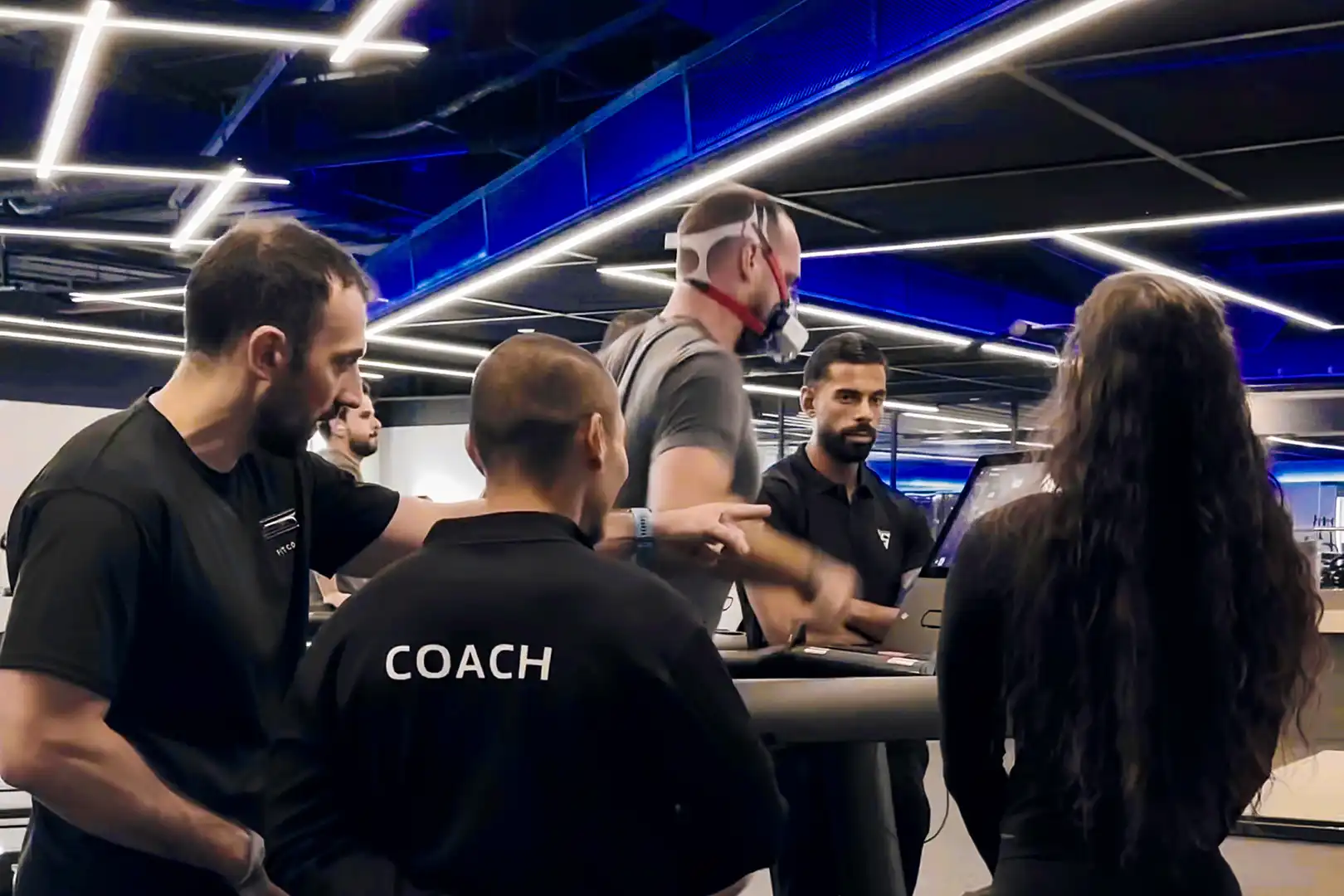
Your staff should understand more than how to operate the equipment.
They need to know how to prepare clients, select appropriate protocols, conduct consistent tests, explain the instant report results clearly and identify when a test should be stopped or referred according to facility procedures and professional scope.
Tip: Choose a testing champion for each location who is excited at the opportunity to expand their skills and learns all the details of metabolic testing. They will then teach the other team members are going to be involved. Note: front desk staff should be provided key information about the service even if they aren’t directly involved in the testing.
Standardize your testing protocols
Consistency matters when you plan to compare results over time.
Establish standard operating procedures for client preparation, equipment setup, exercise protocols, environmental conditions when practical, data review and reporting.
The more consistent the process, the more meaningful longitudinal comparisons are.
Determine booking length and capacity
Map the entire appointment.
Include check-in, preparation, equipment setup, testing, recovery, results review, cleaning and turnover.
Then calculate how many assessments your team can realistically perform each day.
Build retesting into the first appointment
Don’t wait until April to ask a January client whether they want another test.
Explain the value of retesting during the initial assessment and, where appropriate, establish the next assessment window as part of the program.
Prepare your marketing before the rush
Your clients should know the service exists before January.
Add metabolic testing to your website. Educate existing members through email and social media. Train staff to explain the service offerings and what clients will learn.
Consider offering January assessment packages before the holiday season ends.
The goal is to have appointments already booked when New Year’s motivation peaks.
Explore how to package the value of metabolic testing into clear, educational messaging across your client touchpoints.

Don’t Wait Until January to Prepare for January
January brings attention, motivation and new clients to the fitness industry.
But the businesses that make the most of that opportunity start preparing before the rush begins.
Provide Meaningful Insights
Start with a baseline. Use the data to inform a personalized program.
Retest.
Show the client what changed. Then use that information to determine what comes next.
For the client, it creates a clearer fitness journey.
For the coach, it provides objective information that can support better-informed decisions.
For the business, it creates a differentiated fitness assessment service that can extend far beyond the January rush.
See how other fitness and wellness businesses use metabolic testing
Make Metabolic Testing Part of Your New Year Strategy
January creates an ideal starting point for establishing objective fitness and metabolic baselines. By testing, training and retesting, gyms and wellness centers can turn a one-time assessment into a high-value service that supports better-informed coaching and gives clients objective evidence of how their physiology changes over time.
Don’t wait until January to prepare for January.
Shop VO2 Master to explore a portable metabolic analyzer built for VO2 and RMR testing, or Book a Demo to see how VO2 Master can fit into your facility, testing workflow and client experience.
References:
- Doherty C, Baldwin M, Keogh A, Caulfield B, Argent R. Keeping Pace with Wearables: A Living Umbrella Review of Systematic Reviews Evaluating the Accuracy of Consumer Wearable Technologies in Health Measurement. Sports Medicine. 2024;54:2907-2926. DOI: 10.1007/s40279-024-02077-2.
Frequently Asked Questions About Metabolic Testing for Gyms
How should a gym package and price metabolic testing for clients?
There is no universal price. Build the price around the complete service: client preparation, the test itself, staff time, consumables, results review, coaching value and any planned retest. A gym can sell testing as a standalone assessment, bundle VO2 Max and RMR, include it in premium coaching, or package baseline and follow-up testing together. Define the deliverable first, then price it for your market and operating costs.
What should a client receive after a VO2 Max or RMR test?
A client should leave with more than a score. The service should explain what was measured, highlight the results that matter for the client’s goals, translate those results into a practical next step, and establish how progress will be reassessed. Depending on the assessment, that can include VO2 Max, ventilatory thresholds, training zones, RMR, a summary report, and a clear recommendation for what the client should do next.
Is metabolic testing still valuable if clients already use Garmin, Apple Watch, WHOOP, or Fitbit?
Yes. Wearables and professional metabolic testing serve different roles. Wearables are useful for frequent monitoring and trends, while periodic metabolic testing can provide directly measured physiological data during a structured assessment. Coaches can use the test as a reference point for conversations about aerobic fitness, thresholds, training intensity and progress, limiters affecting biomechanical technique such as breathing mechanics while clients continue using their wearable between assessments.
Should a gym offer VO2 Max testing, RMR testing, or both?
It depends on the clients the facility serves and the services it already offers. VO2 Max and threshold testing fit naturally with aerobic fitness, endurance, training-zone and performance services. RMR can support conversations about resting energy requirements and only requires a chair, no significant extra equipment. Offering both can broaden the assessment beyond performance-focused clients and fit wellness, longevity, body-composition and premium coaching programs.
How often should clients retest after a baseline metabolic assessment?
Retest after enough training or program change has occurred for a meaningful comparison to be useful. There is no single interval that fits every client. The timing should depend on the goal, training plan, type of assessment and professional judgment. The most important operational step is to discuss the retest during the first appointment so the baseline becomes the start of a measurable client journey and they understand they will be able to see the changes in the re-test metrics.
Do all clients need a maximal VO2 Max test?
No. A maximal test is not necessary for every client. The appropriate protocol depends on the client’s goals, readiness, exercise history, the information the coach needs and the facility’s professional scope. Submaximal testing provides extremely useful information about physiological responses at relevant exercise intensities and is commonly used for endurance athletes to understand their race pacing as well as for clients new to exercise who don’t want to stress their cardiovascular system too much. Facilities should define clear preparation, eligibility and stopping procedures before offering testing.
What should a gym have in place before launching metabolic testing?
A gym should define the service, pricing, staff responsibilities, client preparation, testing protocols, results-review process, booking length, cleaning and turnover workflow, and retesting strategy before launch. Staff should have practiced tests within the team first and know how to explain what the assessment does and does not show. Marketing should also be prepared before the launch so clients understand the value of the service and appointments can be booked for initial and subsequent testing.
Can metabolic testing help a gym create recurring revenue and improve client retention?
It can, when testing is connected to an ongoing service rather than sold as an isolated score. A baseline assessment can lead into personalized coaching, a structured training block and a planned retest that gives the client excellent motivation based on improving their own score and a specific reason to return. Facilities can offer testing separately, include it in premium packages or build scheduled reassessments into memberships. Revenue and retention still depend on pricing, demand, staff execution and the quality of the client experience.