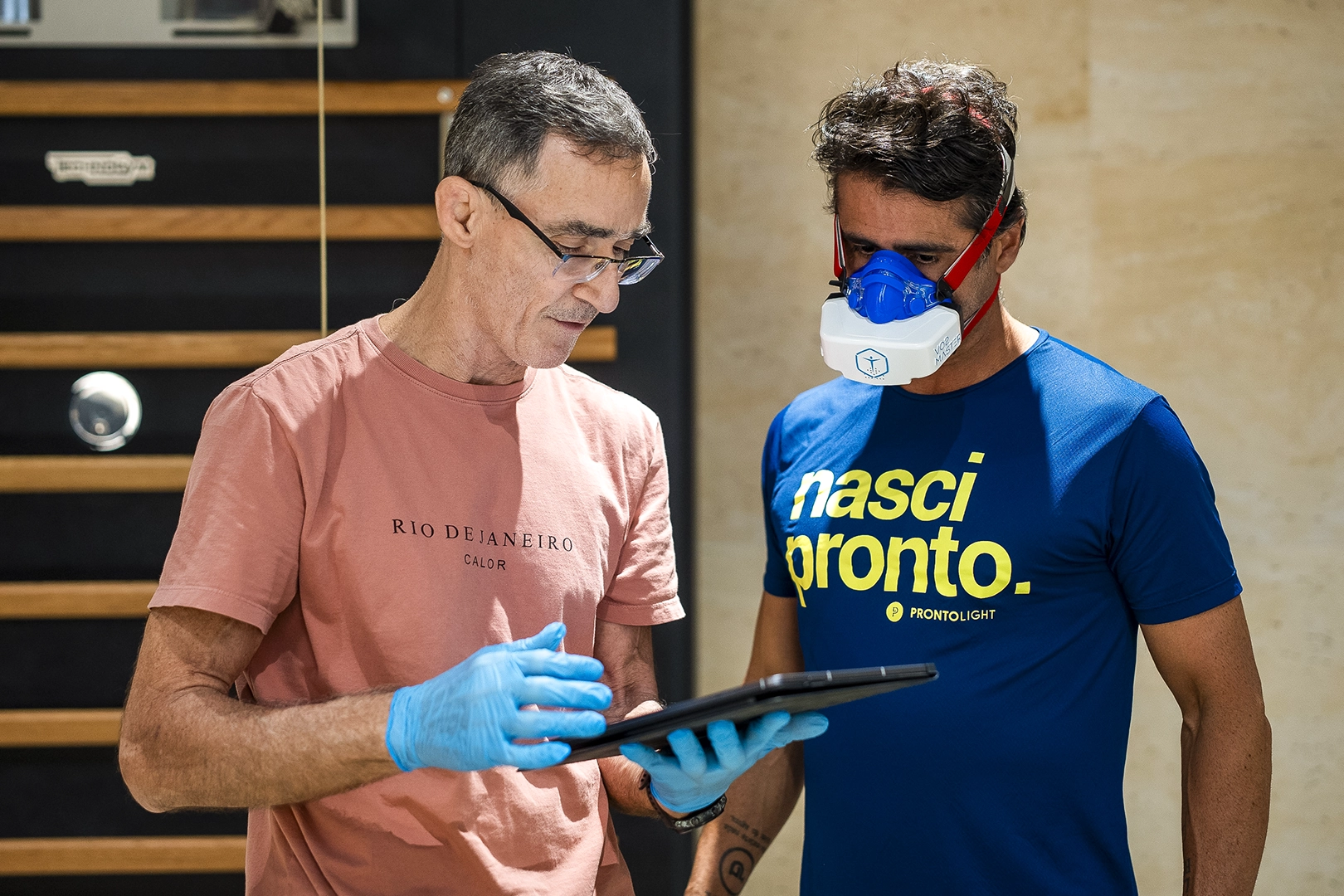
A new member walking through your door has motivation. The challenge is turning that initial enthusiasm into a consistent training habit and a long-term relationship with your facility.
This is where metabolic testing increases client motivation in a way that a generic and traditional fitness assessment cannot. By giving members objective information about VO2 Max, aerobic capacity, training zones, and their individual physiology, coaches can establish a meaningful baseline and create a clear path forward.
Table of Contents
Why the First 30 Days Matter
Signing up is only the beginning of the member journey.
During the first few weeks, a new member is learning how your facility works, building relationships with coaches, experimenting with routines, and deciding whether the experience feels valuable enough to continue.
This creates an important opportunity.
Instead of beginning with a generic tour and workout plan, facilities can make onboarding personal and superior from the start. Metabolic testing provides objective physiological data that helps a coach answer two of the most important questions a new member has:
What should I actually be doing to reach my goals? Why should I choose this facility over all the others?
A VO2 Max assessment can provide insight into aerobic capacity and help establish individualized training zones optimizing client results. Rather than relying solely on age-predicted formulas or general recommendations, coaches can use measured information to guide conversations around training specifics.
This gives the client something tangible from their first interaction.
More importantly, it gives them a precise starting point that can be tracked long-term.
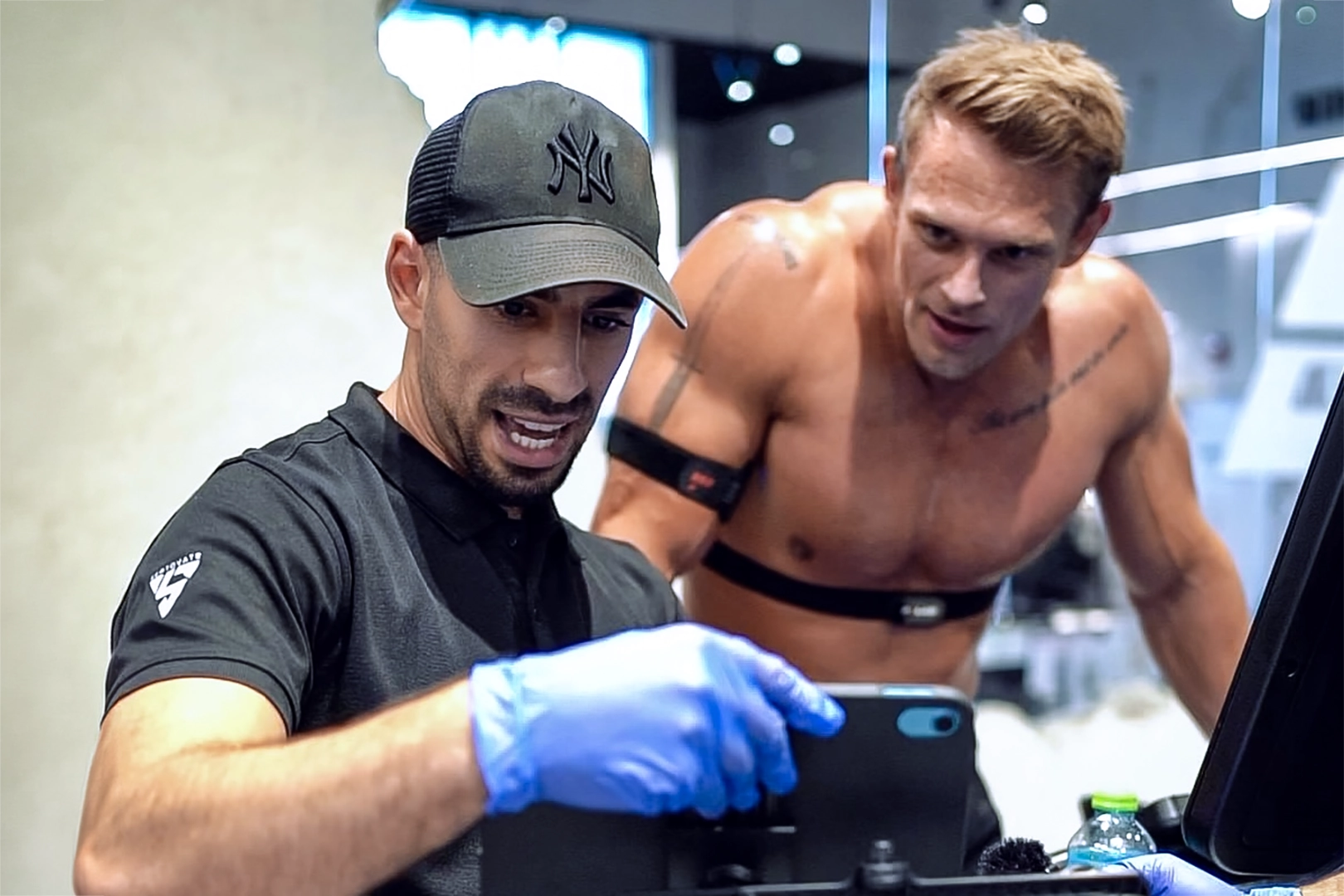
How Metabolic Testing Increases Client Motivation from Day One
Motivation is easier to maintain when people understand precisely what they are working toward, clarity is king when it comes to hitting goals.
Metabolic testing helps turn broad goals such as “get fitter,” “improve endurance,” or “train smarter” into a more personalized and meaningful conversation.
Replace Guesswork with Personal Data
Consider two onboarding experiences.
| Traditional onboarding | Metabolic testing onboarding |
| General fitness discussion | Individual physiological baseline |
| Estimated training zones | Direct measured data to derive training zones |
| Generic workout recommendations | Precise personalized fitness recommendations |
| “Come back soon” | Defined follow-up and potential for retesting |
| Progress doesn’t reflect internal fitness changes | Additional physiological measures of progress |
Neither approach guarantees that a member will remain engaged. However, the second gives coaches more information to build a personalized relationship and the client key insights to create confidence in the process.
For members, seeing their own data makes fitness programs more concrete.
Instead of comparing themselves with someone else in a class, they can begin comparing their current performance with their own baseline, and they typically want to beat it!
Learn How VO2 Master Helps Coaches Personalize Training from Day One
Create a Memorable First Impression
First impressions matter a lot in this competitive fitness market.
A metabolic assessment immediately communicates that your facility is interested in understanding the individual, not simply assigning everyone the same program.
The technology itself can also create curiosity.
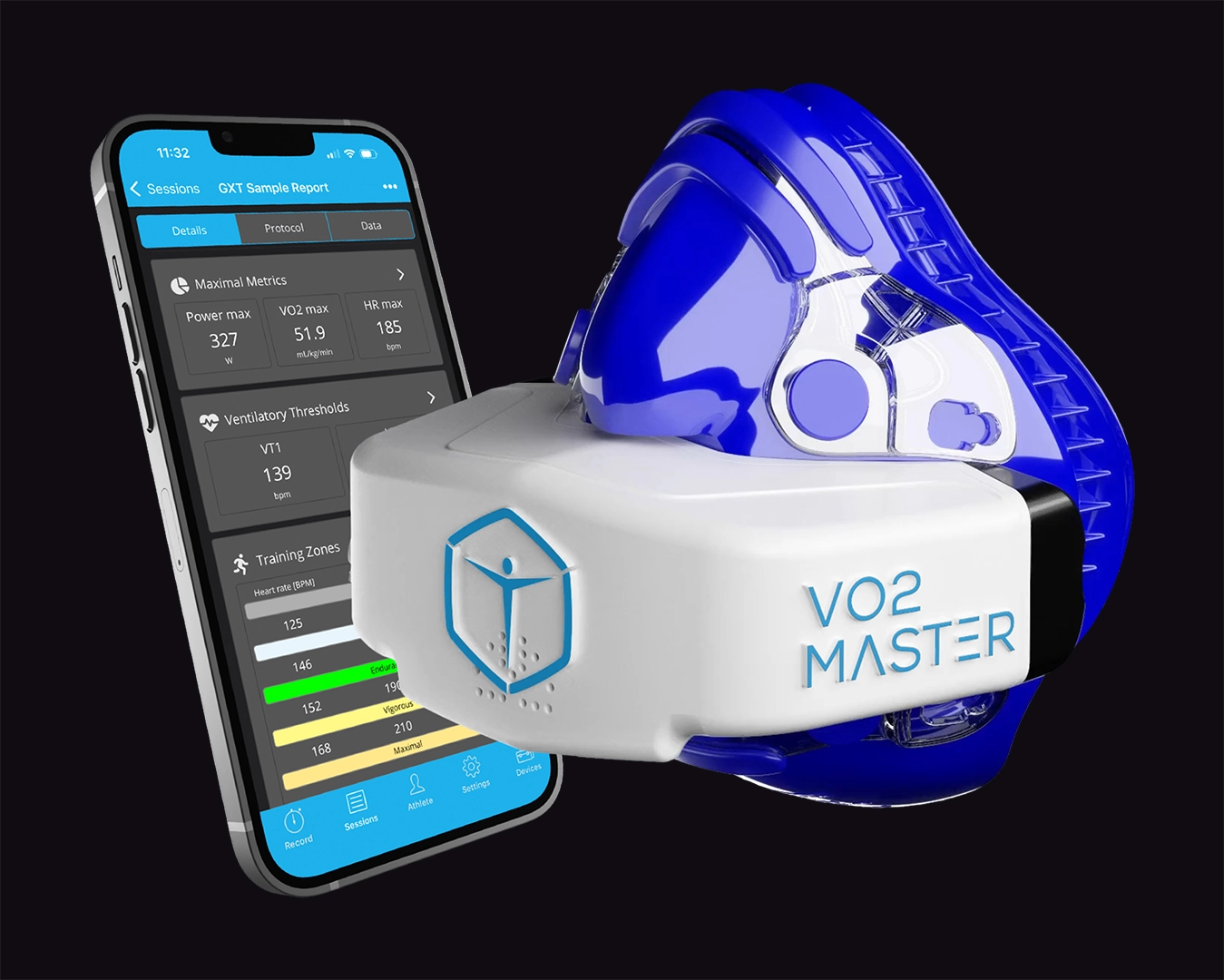
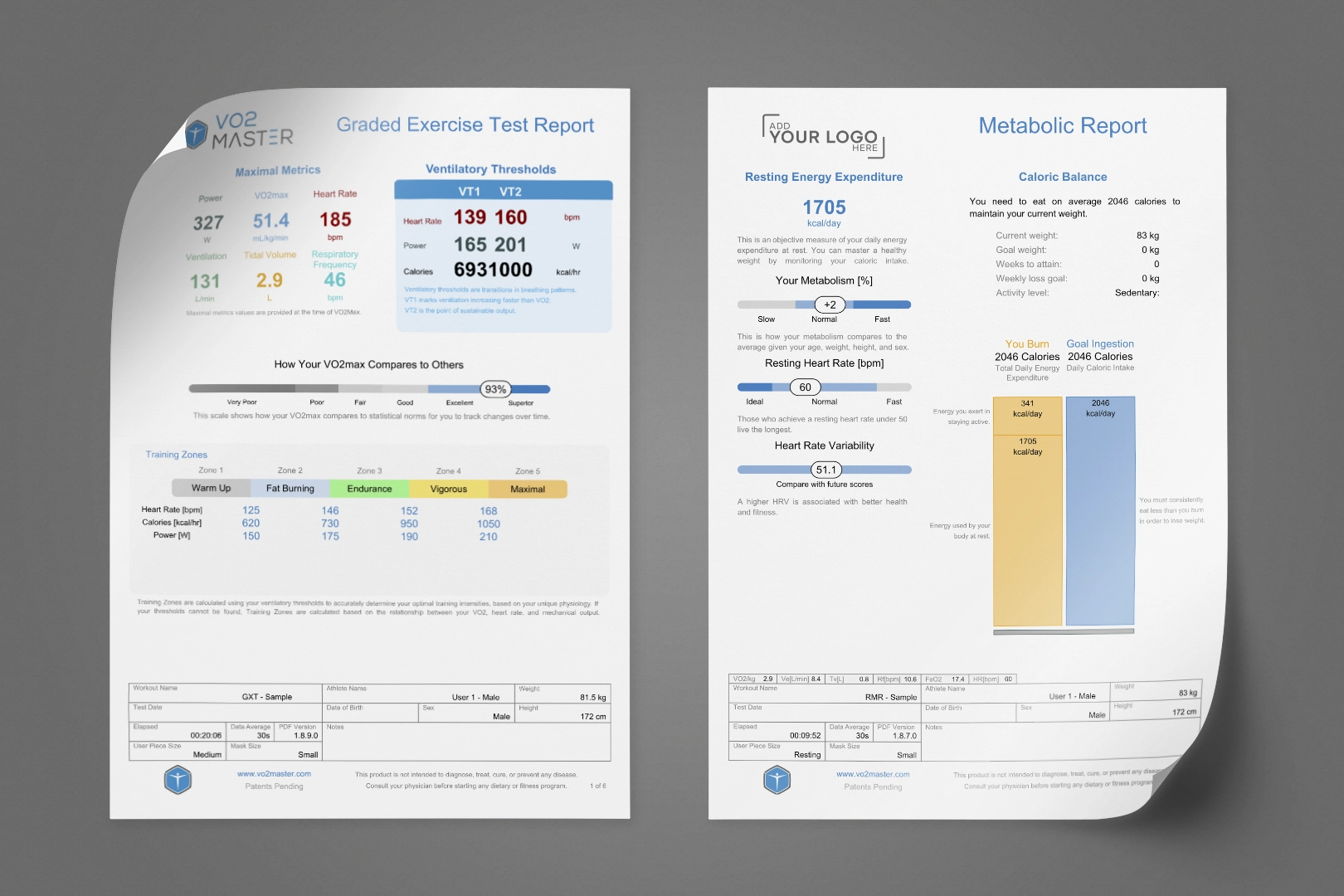
Members experience a professional assessment, see their metabolic data being collected, and then have a coach provide the instant report showing where they stand.
The important part is not producing more numbers.
It is translating those numbers into actions the member understands.
For example:
- What does my VO2 Max tell me?
- What are my training zones?
- Where should most of my aerobic training occur?
- What should I focus on to achieve my goals?
That conversation can make the first appointment feel significantly more valuable than a standard orientation.
Turn the First Test into the Next Visit
One of the simplest retention strategies happens before the member walks out the door: establish what happens next.
A metabolic test naturally creates this opportunity.
Establish a Baseline
The initial test is not an endpoint. It is a baseline.
Once members understand this, the conversation shifts from “Here are your results” to “Here is where we are starting.”
The coach can then connect those results to the member’s goals and training plan.
If appropriate for the member, a future reassessment can also be discussed.
The exact testing schedule should depend on the individual, their training program, and the purpose of testing. The key is that members leave knowing there is a logical next step.
Give Members a Reason to Retest
A future test creates a milestone.
Between assessments, the member is no longer exercising without context. Their training can be connected to specific objectives that were discussed during their assessment.
The next test can then become another coaching conversation.
Did aerobic capacity change? Did the member’s response at certain workloads change? Do training zones need to be revisited? What should the next training block focus on?
Testing, coaching, training, and retesting can become a continuous feedback loop.
Give your clients better data from day one. Shop VO2 Master or book a demo to learn how portable VO2 testing can enhance onboarding, training, and client engagement.
Build Accountability with Personalized Goals
Accountability does not have to mean pressure. Effective accountability gives members a clear plan, regular feedback, and someone who notices their effort.
Metabolic testing can provide the framework.
Make Training Zones Actionable
Giving a member five zones on a report is not enough.
The coach needs to explain how those zones translate into the member’s actual week.
For example:
- Which sessions should feel easy?
- Where should longer aerobic workouts sit?
- When might higher-intensity work be appropriate?
- How often should I do high intensity workouts?
This is where metabolic testing benefits extend beyond the assessment itself.
The value comes from applying the information.
When members understand the purpose behind their training, they may be more likely to see each workout as part of a larger plan rather than an isolated visit.
Use Follow-Ups to Reinforce Progress
The first 30 days should include communication outside the initial assessment.
A simple follow-up might ask how training is going, whether the prescribed intensity feels appropriate, or whether the member has questions about their results.
Facilities can also use:
- Goal check-ins
- Small progress milestones
- Scheduled consultations
- Group challenges
- Retesting reminders
The goal is not constant contact. It is relevant contact.
Personalized follow-up shows the member that someone is paying attention to their journey.
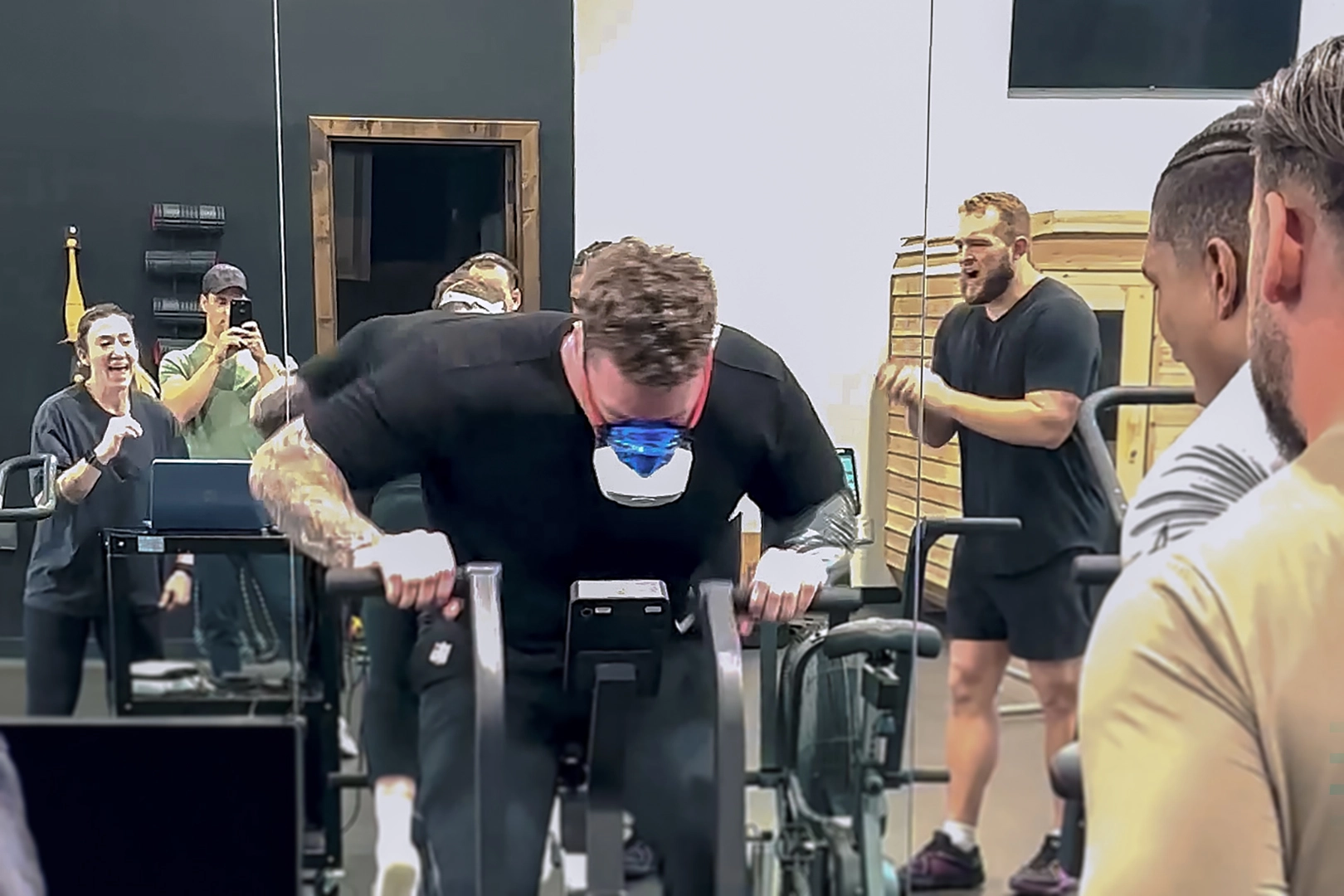
Make Metabolic Testing Part of Your Community
Data is personal, but the experience around it can be social.
A fitness facility can create community around improving aerobic fitness without turning every test into a leaderboard.
For example, facilities could run an aerobic fitness month where members establish individual baselines, participate in coached sessions, and learn about VO2 Max and training intensity. This could be themed around HYROX if it makes sense in your market.
Workshops can help members understand concepts such as aerobic capacity, recovery, training zones, and exercise intensity. Many fitness enthusiasts also want to understand the difference between wearable metrics and “real” testing, and why there is a difference.
Learn what wearables can and can’t tell you about VO2 Max.
Members can celebrate improvements relative to their own starting points.
This distinction matters.
A beginner should not feel that their data is being compared with an elite athlete. A 55-year-old longevity-focused member will have very different goals from a competitive cyclist.
Both can belong to the same community while following individualized plans.
That combination of personalization and connection can help facilities create an experience that is difficult to reproduce with an app or generic workout program.
Move From Introductory Offers to Long-Term Memberships
Introductory offers can get someone through the door.
The bigger question is what gives them a reason to stay, this is what builds a stronger community and results in sustainable revenue for your business.
See how metabolic testing can support retention, recurring revenue, and long-term client value.
Price alone is rarely the strongest long-term differentiator. Facilities can instead demonstrate ongoing value through assessment, coaching, personalization, and relationships.
Metabolic testing can become part of that value proposition.
Imagine an introductory package that includes:
- Initial consultation
- Baseline VO2 Max assessment
- Resting Metabolic Rate test for caloric balance
- Personalized training-zone discussion
- Coach-led training sessions
- 30-day progress review
- Future testing recommendation
The member is not simply purchasing access to equipment or classes.
They are entering a process for long term health and personal goal achievement.
That process can continue into a long-term membership through coaching, periodic assessment, goal setting, education, and community.
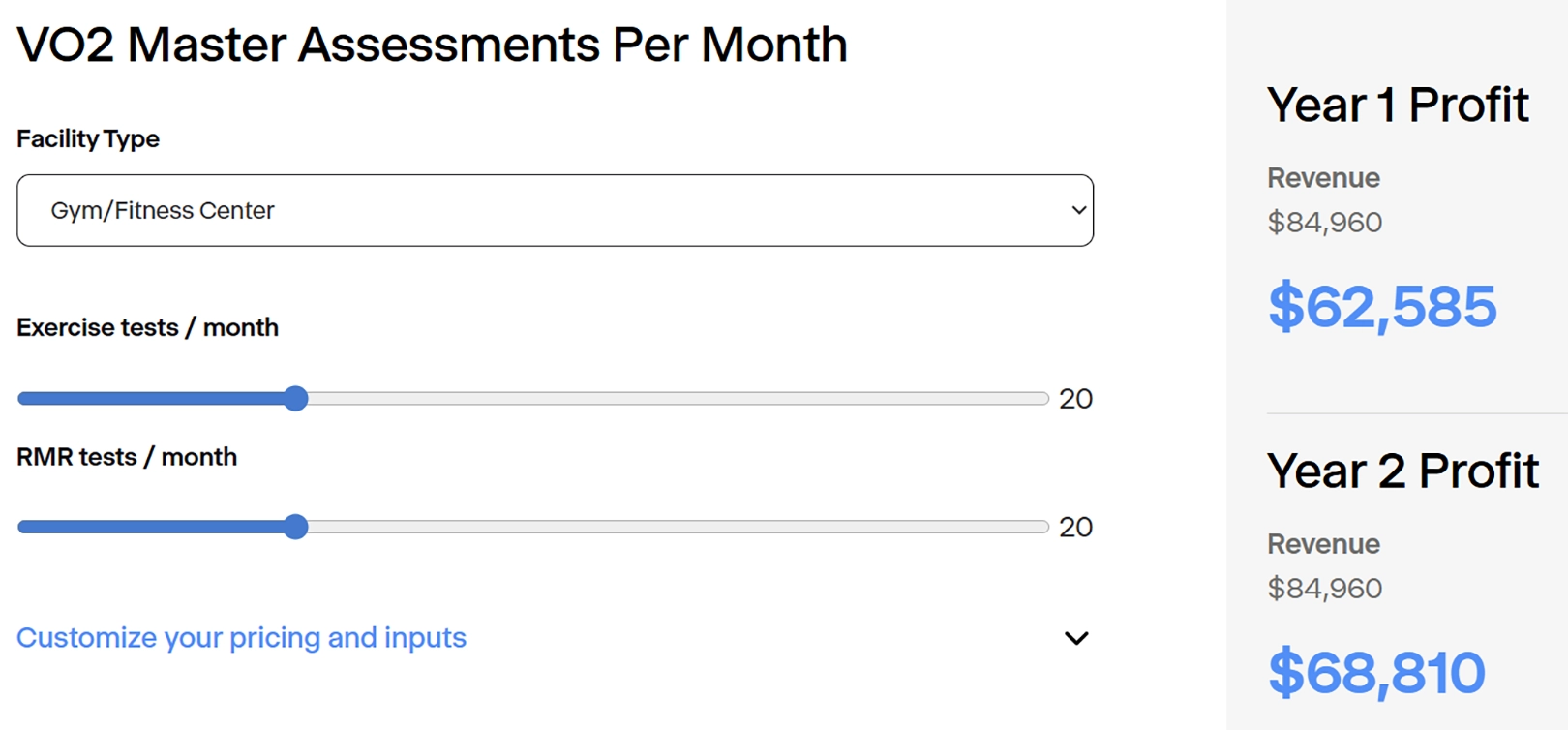
See What Metabolic Testing Could Mean for Your Bottom Line.
What a Metabolic Testing Member Journey Can Look Like
A simple framework could look like this:
Day 1: Assess
Welcome the member, understand their goals, and complete an appropriate metabolic assessment.
Provide the report summary and discuss next steps.
Days 2-7: Apply
Translate the assessment into training guidance.
Make sure the member understands how to use their training zones and what their first few workouts should accomplish.
Week 2: Follow Up
Ask how the training feels.
Answer questions and reinforce the connection between their workouts and their goals.
Week 3: Build Connection
Introduce the member to relevant classes, coaches, educational sessions, or community opportunities.
Help them feel that they belong in your community.
Week 4: Review
Discuss the first month.
Highlight consistency, lessons learned, and progress that can reasonably be observed.
Then establish the next goal and next milestone.
This creates a straightforward cycle:
Assess → Personalize → Train → Follow Up → Review → Retest
Metabolic testing does not replace good coaching. It gives good coaches more information to work with to be successful and stand out in their profession.
See How Facilities Are Using Metabolic Testing to Drive Results.
Conclusion: Make the First 30 Days Count
The first month is an opportunity to show a new member what makes your facility and coaches stand out.
A generic onboarding process can explain where the equipment is and when classes start.
A personalized onboarding process can do much more.
Metabolic testing gives coaches objective information that can help establish a baseline, personalize training conversations, set meaningful goals, track progress and create future milestones.
It also creates natural opportunities for follow-up.
Test. Explain. Train. Check in. Review. Retest when appropriate. This is a proven cycle of success, the iterative process is used in everything from elite sports to international business. They key? Having the best information possible for decision making.
When facilities build those interactions into the first 30 days, members have more than access to a gym or studio. They have a personalized process, and a clearer understanding of why they are training.
That is the real opportunity behind the idea that metabolic testing increases client motivation.
Ready to Make Metabolic Testing Part of Your Member Journey? Explore VO2 Master or Book a Demo to See How Portable Testing Can Support Client Engagement and Business Growth.
Feature Photo: Metabolic testing with the VO2 Master analyzer at Continuum HP during the NFL combine.
Frequently Asked Questions
How can metabolic testing fit into a health club onboarding process?
Metabolic testing can be added to the first member assessment to create a more personalized starting point. Instead of only discussing goals, coaches can use RMR (Resting Metabolic Rate), VO2 Max, and training-zone data to guide the first plan and create a clear reason for follow-up.
Can metabolic testing help fitness facilities move beyond introductory offers?
Yes. Introductory offers may bring people in, but metabolic testing can help turn the first visit into a valuable member experience. A baseline test, personalized plan and 30-day review booking can make the experience feel more impactful than a simple trial membership.
Why should facilities offer both VO2 Max and RMR testing?
VO2 Max helps guide aerobic fitness and training intensity, while RMR supports energy-balance conversations. Together, they give coaches a more complete way to personalize fitness, weight-management, and longevity programs.
Can metabolic testing be offered without a large lab setup?
Yes. Portable metabolic testing can help facilities offer VO2 and RMR services without additional square footage. This is useful for health clubs, wellness studios, longevity centers, and facilities that need a smaller footprint and simpler testing workflow.
How does metabolic testing support membership retention?
Metabolic testing gives members a measurable baseline, specific and personal insights and a clear goal to work towards to return for review. When coaches connect the data to training, follow-ups, and retesting, the member has a clearer path forward and more reasons to stay engaged.
How can facilities explain the difference between wearable VO2 estimates and measured metabolic testing?
Wearables can be useful for general trends as it is based on population averages, but measured metabolic testing gives coaches direct physiological data from the individual during a direct assessment. VO2 is measured through breath measurement from the lungs, not through the skin. These differences help facilities explain why professional testing can provide a stronger baseline for personal goals and insights, determining specific training-zones, identifying limiters, and progress reviews.
What type of member is a good fit for metabolic testing?
Metabolic testing can be useful for members who want more personalized training, better endurance, weight-management support, longevity-focused fitness, or clearer progress tracking and goal achievement. The key is matching the test to the member goal and explaining the results in practical terms.