An vielen Hochschulen und Universitäten beschränkte sich die Vermittlung von Kenntnissen über Stoffwechseltests bislang traditionell auf Laborumgebungen, die mit großen Stoffwechselmessgeräten ausgestattet sind.
Zwar sind diese Systeme für bestimmte Untersuchungsmethoden nach wie vor wertvoll, doch beschränken sie die Studierenden häufig auf herkömmliche Testverfahren wie Untersuchungen auf dem Laufband oder dem Fahrradergometer.
Das Berea College wollte den Studierenden die Möglichkeit geben, weitere Aktivitäten aus dem Alltag sowie sportspezifische Bewegungsabläufe zu erlernen.
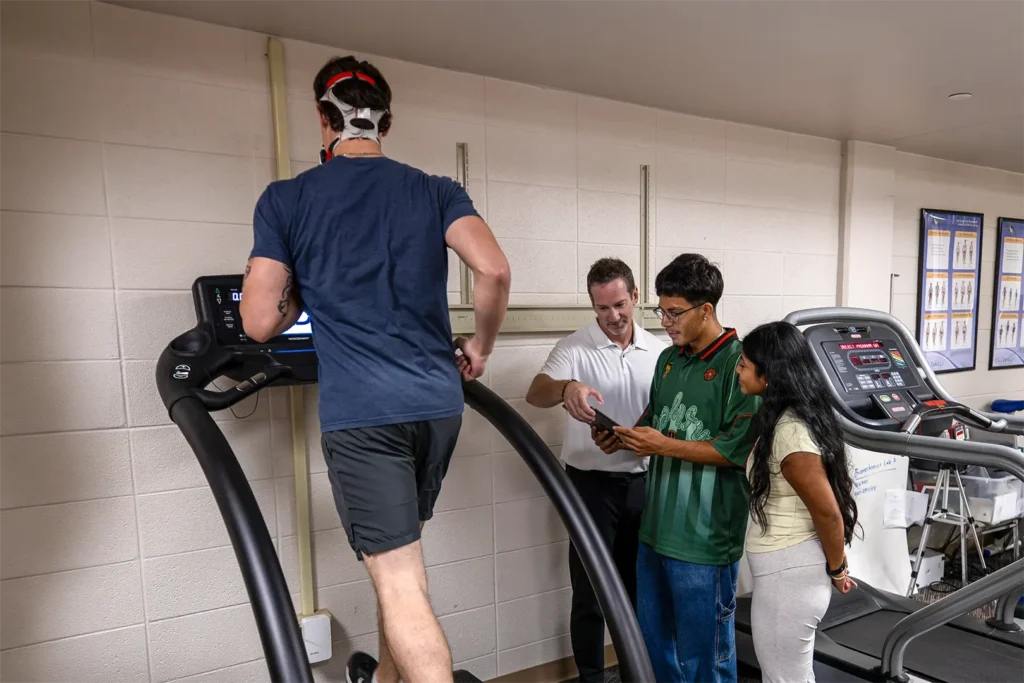
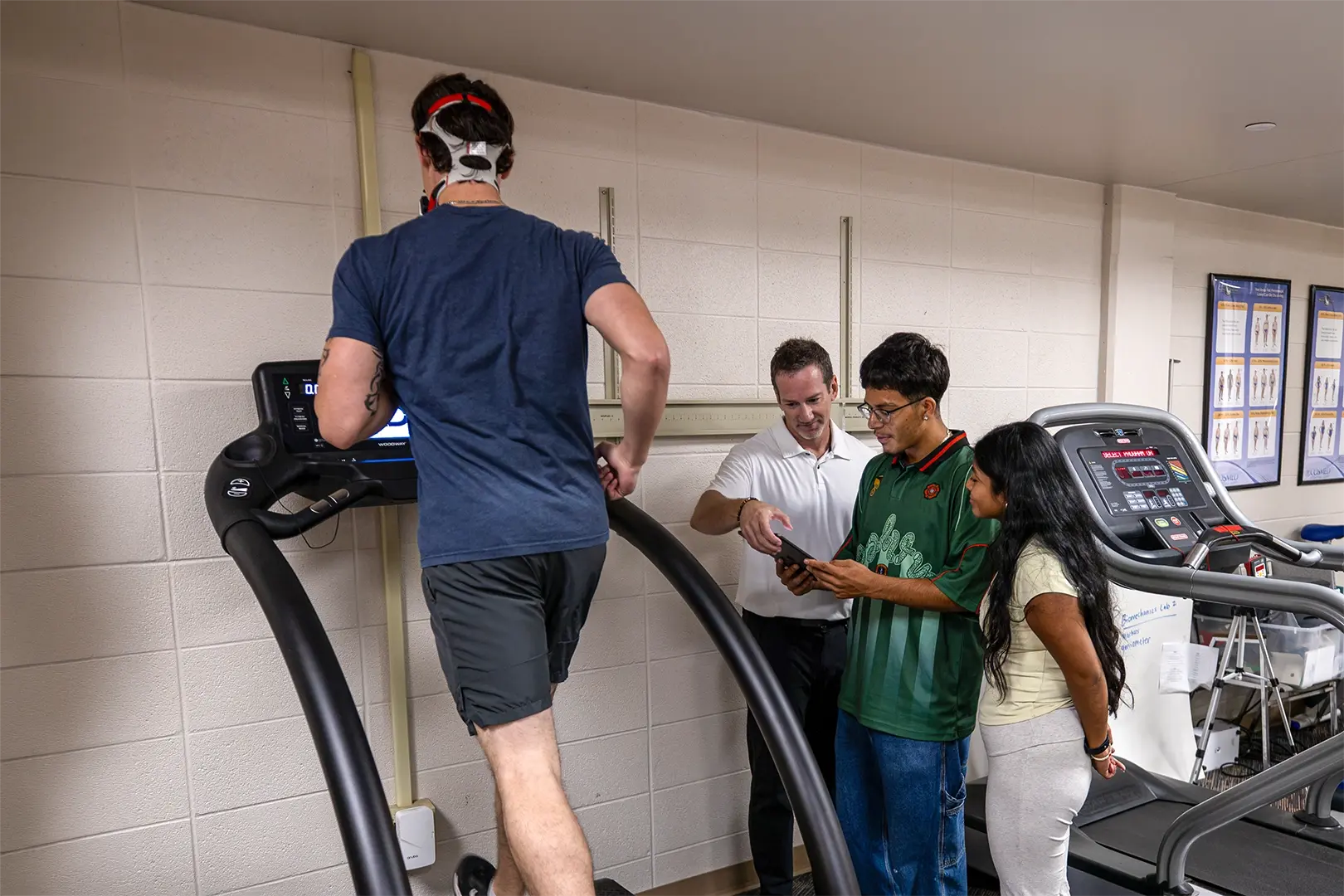
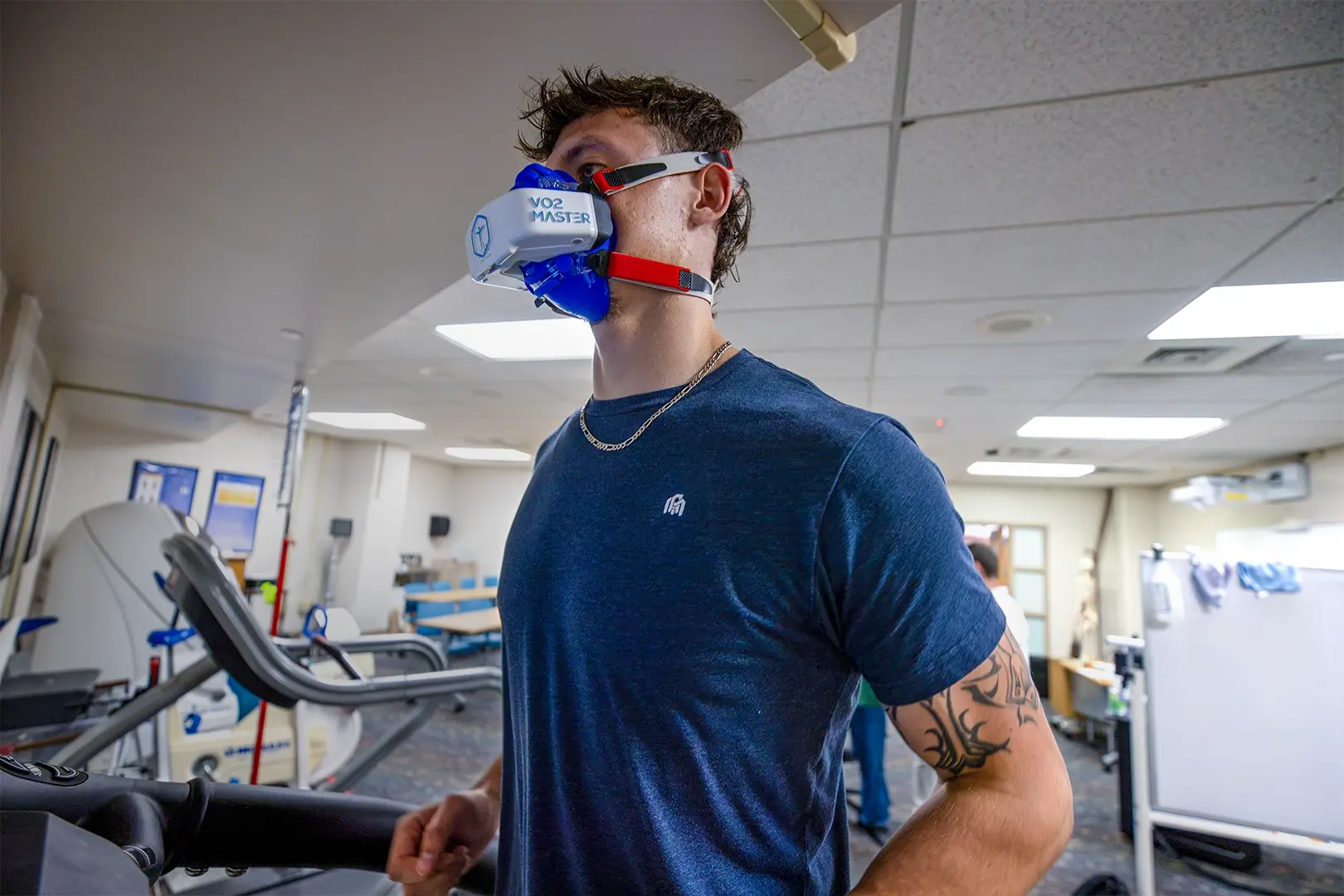
Durch die Integration des tragbaren VO2 Master Analyzer in sein sportwissenschaftliches Programm hat die Hochschule sowohl ihre Lehrkapazitäten als auch ihre Forschungsmöglichkeiten erweitert, sodass die Studierenden Stoffwechseluntersuchungen unter realen Bedingungen durchführen und gleichzeitig praktische Erfahrungen mit modernen Instrumenten der Sportphysiologie sammeln können.
Die Herausforderung
Das Berea College wollte, dass die Studierenden über die traditionellen Laboruntersuchungen hinaus lernen.
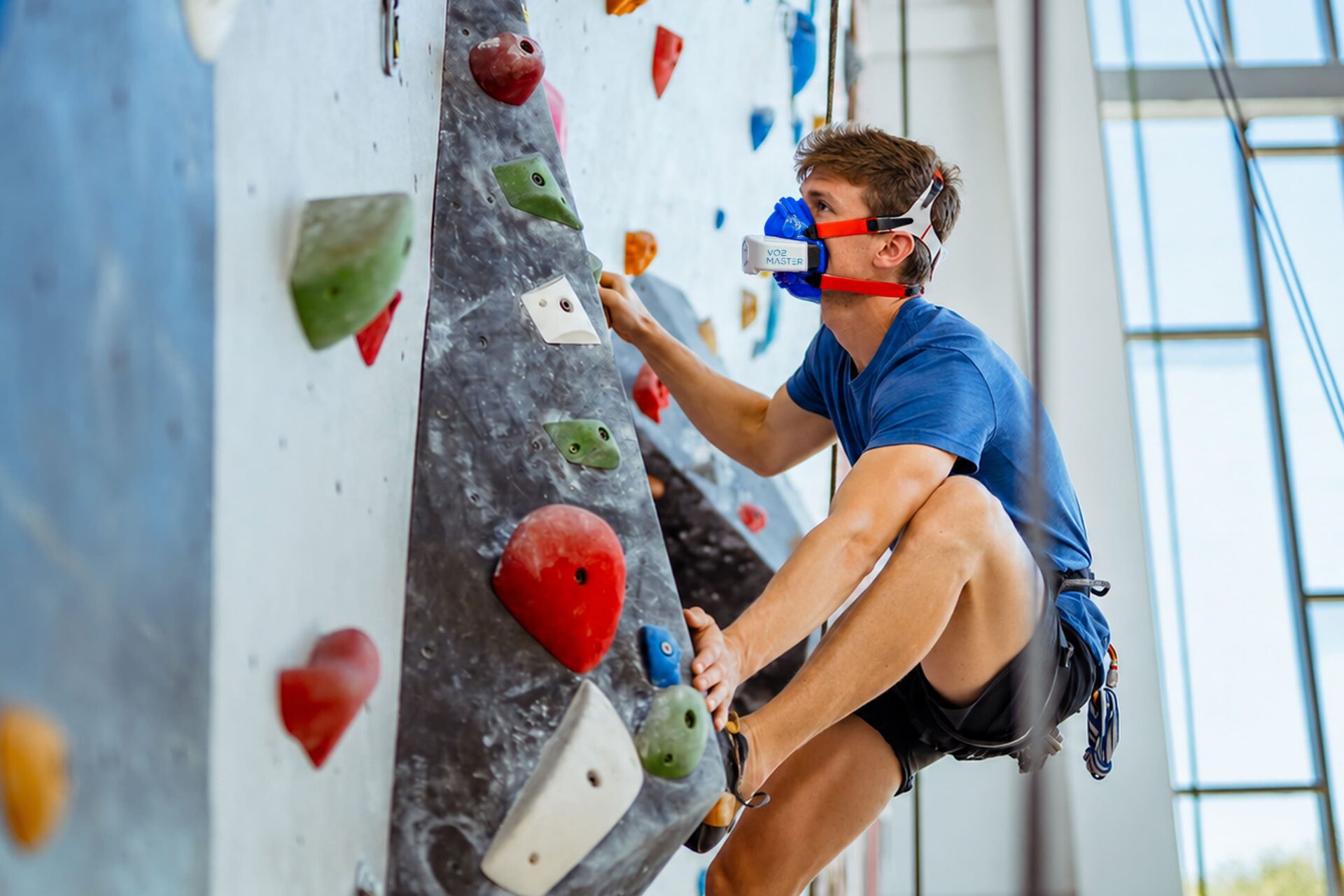
Herkömmliche Stoffwechselmesswagen beschränkten Forschung und Lehre auf fest installierte Laborgeräte, was die Untersuchung von Aktivitäten wie Krafttraining, Zirkeltraining, Klettern, Mountainbiken und anderen Übungen im Freien erschwerte.
A.J. Mortara, Leiter des Human Performance Lab, suchte nach einer Lösung, die es den Studierenden ermöglichen würde, den Stoffwechsel bei den Aktivitäten zu untersuchen, für die sie sich am meisten interessierten, und dabei gleichzeitig einen präzisen und effizienten Testablauf zu gewährleisten.
Die Lösung
Das tragbare Stoffwechsel analyzer „ VO2 Master “ ermöglichte es dem Berea College, tragbare Stoffwechseluntersuchungen flexibel in den gesamten Lehrplan zu integrieren.
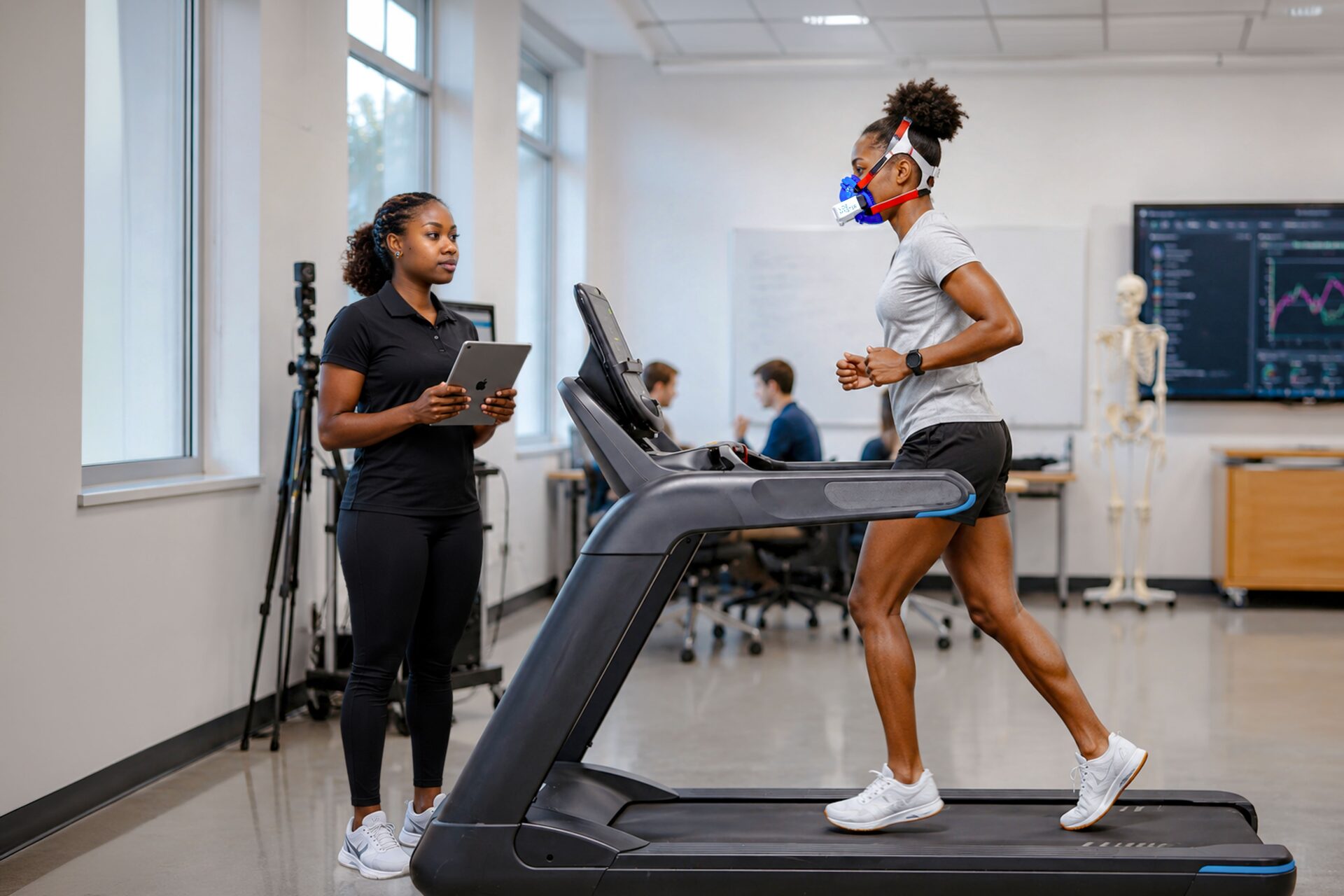
Die Studierenden beginnen mit der Durchführung eines traditionellen stufenweisen Belastungstests (GXT) und erwerben so ein fundiertes Verständnis der Grundlagen der Trainingsphysiologie und der Methoden zur Stoffwechseluntersuchung.
Von dort aus werden sie dazu ermutigt, Stoffwechseltests zu konzipieren und durchzuführen, die auf ihre Interessen und Forschungsziele abgestimmt sind.
Zu den aktuellen und zukünftigen Anwendungsbereichen gehören:
- Krafttraining
- Zirkeltraining
- Felsenklettern
- Mountainbiken
- Taktisches Leistungstraining
- Forschung zum Thema Bewegung im Freien
Durch die Überwindung der Einschränkungen eines feststehenden Labors sammeln die Studierenden wertvolle Erfahrungen bei der Erstellung von Versuchsplänen und der Erhebung physiologischer Daten in Umgebungen, die die realen Leistungsbedingungen und die ökologische Validität besser widerspiegeln.
Die Ergebnisse
Seit der Einführung des „ VO2 Master “ (Analyzer) hat das Berea College mehrere wesentliche Vorteile verzeichnet.
Mehr Lernmöglichkeiten
Die Studierenden übernehmen aktiv die Leitung des Testprozesses – von der Kalibrierung bis zur Datenerfassung – und gewinnen so Sicherheit im Umgang mit modernen Stoffwechselmessverfahren, während sie gleichzeitig wertvolle praktische Erfahrungen sammeln.
Erweiterte Forschungsmöglichkeiten
Der Einsatz des „ VO2 Master “ (analyzer ) hat den Weg für Forschungsprojekte geebnet, die mit herkömmlichen Laborgeräten bisher nur schwer oder gar nicht durchführbar waren.
Dozenten und Studierende können nun den Stoffwechselbedarf bei einem wesentlich breiteren Spektrum an Aktivitäten und Umgebungen untersuchen.
Verbesserte Effizienz
Der optimierte Aufbau und der einfache Kalibrierungsprozess verkürzen die Vorbereitungszeit, sodass mehr Zeit für den Unterricht, Experimente und die Datenerfassung bleibt.
Die Auswirkungen
„Dank der kürzeren Einrichtungszeit und der einfachen Bedienung können wir Forschungsarbeiten präziser und schneller durchführen. Mit dem ‚ VO2 Master ‘ können wir zudem praxisorientierter unterrichten, was für die Studierenden von großem Nutzen ist.“
A.J. Mortara, CSCS*D, Ed.D.
Durch die Kombination aus Tragbarkeit, einfacher Bedienung und zuverlässigen Stoffwechselmessungen hat sich das „ VO2 Master “ (Analyzer ) zu einem wichtigen Lehr- und Forschungsinstrument im Studiengang „Exercise Science“ am Berea College entwickelt.
Die Studierenden schließen ihr Studium mit praktischen Erfahrungen im Umgang mit tragbarer Stoffwechseltechnologie ab, während die Fakultät ihre Forschung zu Trainingsumgebungen weiter ausbaut, die weit über das traditionelle Labor hinausgehen.
Das Wichtigste auf einen Blick
Für Bildungseinrichtungen geht der Nutzen tragbarer Stoffwechselmessgeräte weit über den reinen Komfort hinaus.
Das „ VO2 Master “ (Analyzer ) ermöglicht es Universitäten und Hochschulen, die Ausbildung im Bereich Bewegungswissenschaften zu modernisieren, Forschungsmöglichkeiten zu erweitern und Studierende mit praktischen Fähigkeiten auszustatten, die den sich ständig weiterentwickelnden Fortschritten im Gesundheits- und Fitnessbereich von heute entsprechen.
Indem das Berea College Stoffwechseluntersuchungen über das Labor hinaus ausweitet, bietet es den Studierenden die Möglichkeit, die Trainingsphysiologie in den Umgebungen zu erforschen, in denen sie tatsächlich stattfindet, wodurch die Ergebnisse relevanter und aussagekräftiger werden.